Games / Capital Cities of Africa
Capital Cities of Africa Quiz
Africa has 54 countries and just as many capitals — many of which rarely come up in everyday conversation. Here is the complete list with capitals, followed by a free timed quiz.
Last updated July 2026
Why African Capitals Are Worth Knowing
Africa is the world's second-largest continent by population and area, with 54 UN-recognised sovereign countries — more than any other continent. Its capitals span every climate, from Cairo on the banks of the Nile to Cape Town on the southern tip, from the highland capital of Addis Ababa to the island capital of São Tomé.
Learning African capitals is also a practical exercise in modern geography. Many African capitals were re-located after independence: countries deliberately moved their seats of government away from colonial-era coastal cities to more central locations. Abuja replaced Lagos in Nigeria in 1991. Yamoussoukro replaced Abidjan in Côte d'Ivoire. Dodoma replaced Dar es Salaam in Tanzania.
Capitals That Are Not the Biggest City
Africa has more capitals that are NOT the largest city than any other continent. This is a common source of mistakes in any African capitals quiz:
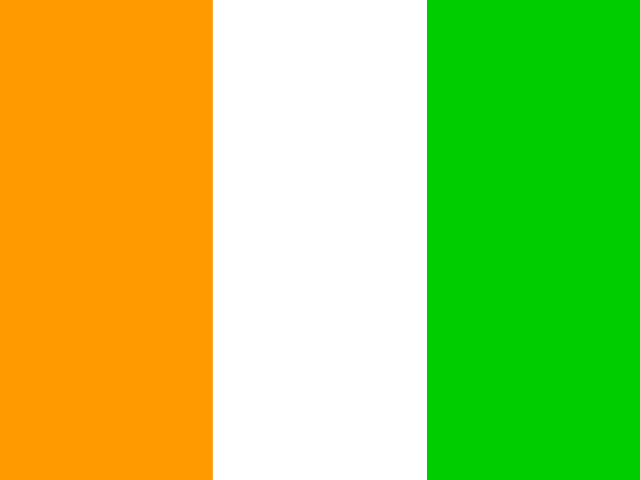
Côte d'Ivoire — Yamoussoukro (not Abidjan). The political capital was moved inland to Yamoussoukro in 1983. Abidjan remains the economic hub and is far larger.
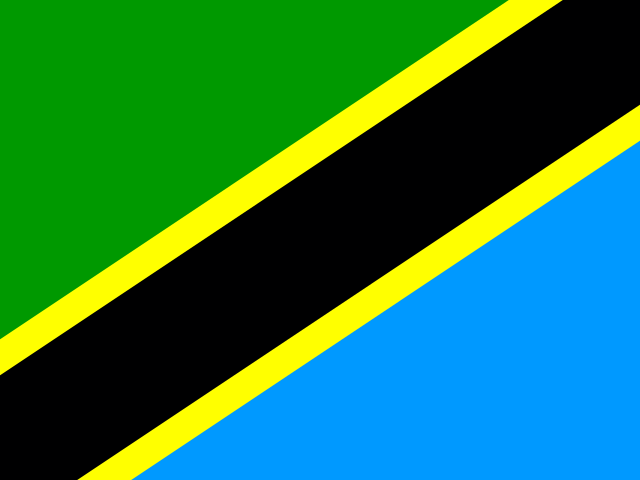
Tanzania — Dodoma (not Dar es Salaam). Dodoma became the official capital in 1996, but Dar es Salaam remains the largest city and de facto economic centre.
Nigeria — Abuja (not Lagos). Nigeria moved its capital from Lagos to centrally located Abuja in 1991 to ease ethnic and religious tensions.
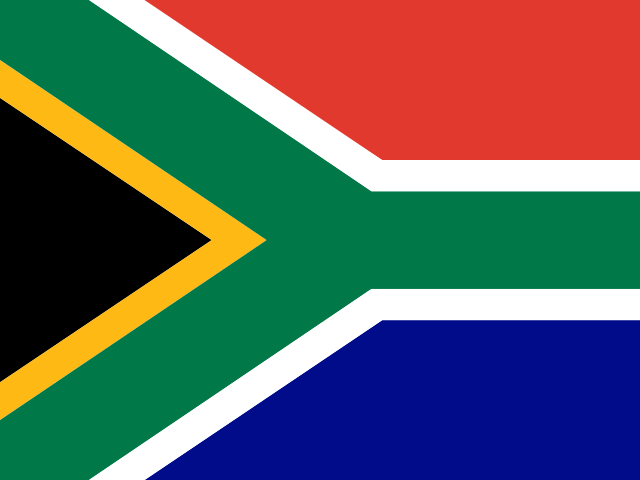
South Africa — Pretoria, Cape Town, Bloemfontein. South Africa is unique: it has three capitals. Pretoria is the administrative capital, Cape Town the legislative, and Bloemfontein the judicial.
Benin — Porto-Novo (not Cotonou). Porto-Novo is the official capital, but Cotonou is the larger city and seat of most government buildings.
The pattern is clear: colonial powers built capitals on the coast for trade, and post-independence governments moved them inland for national unity.
African Capitals by Region
Breaking Africa into its major sub-regions makes the full list easier to digest:
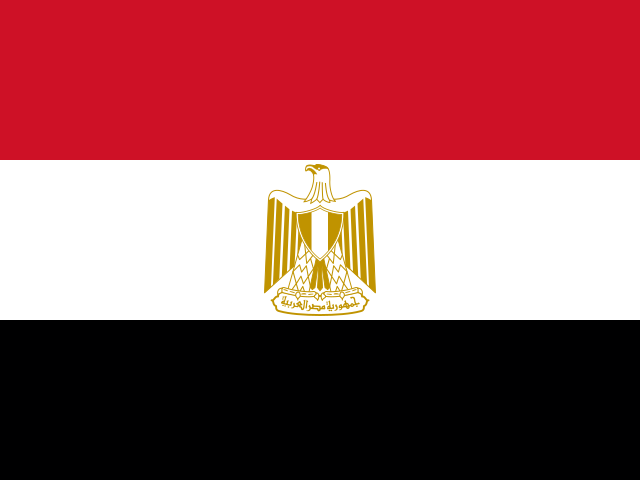
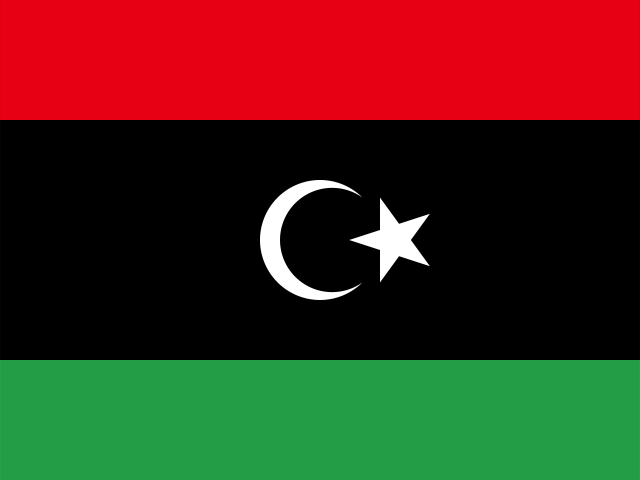
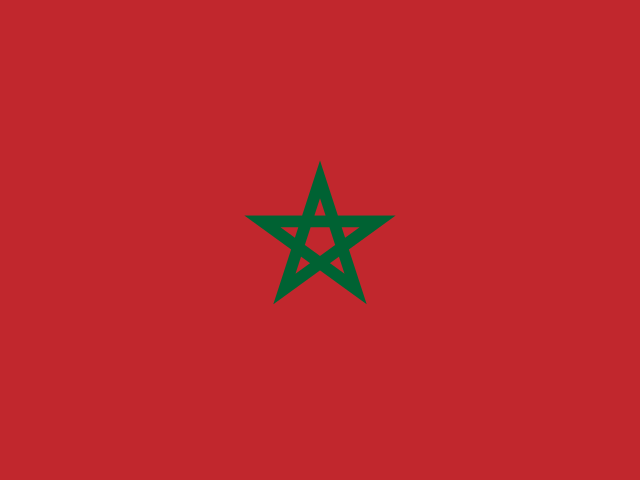
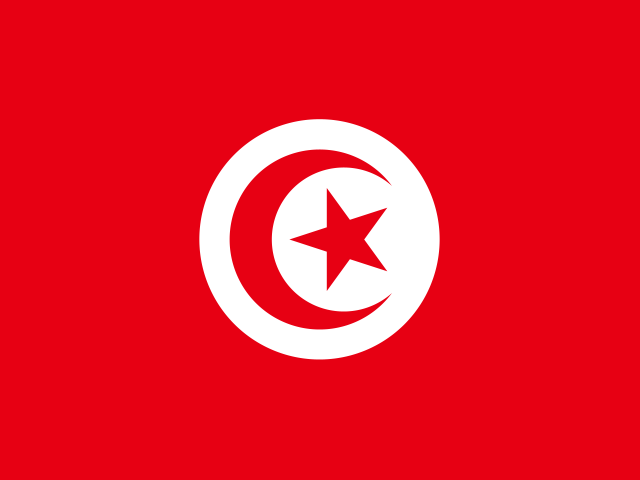
North Africa — Cairo (Egypt), Algiers (Algeria), Rabat (Morocco), Tunis (Tunisia), Tripoli (Libya). These five are some of the most recognisable African capitals, with Cairo being the largest city in Africa and the Arab world.
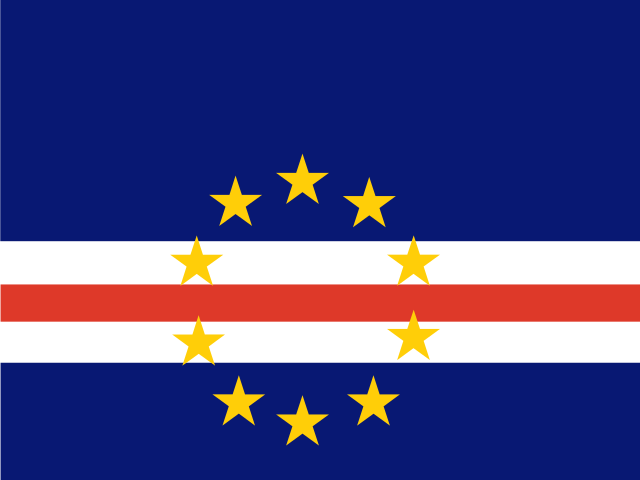
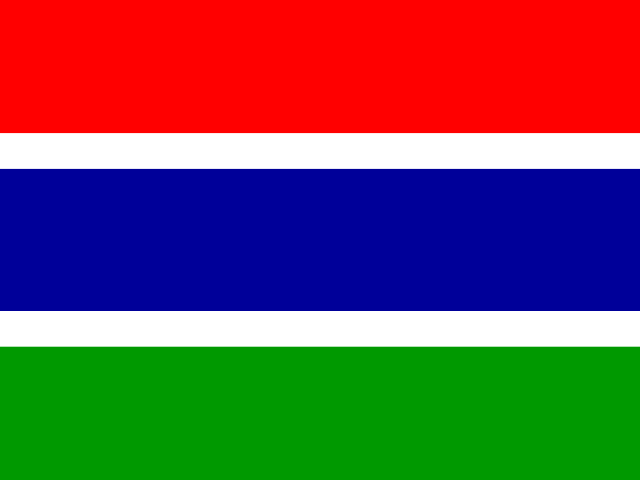
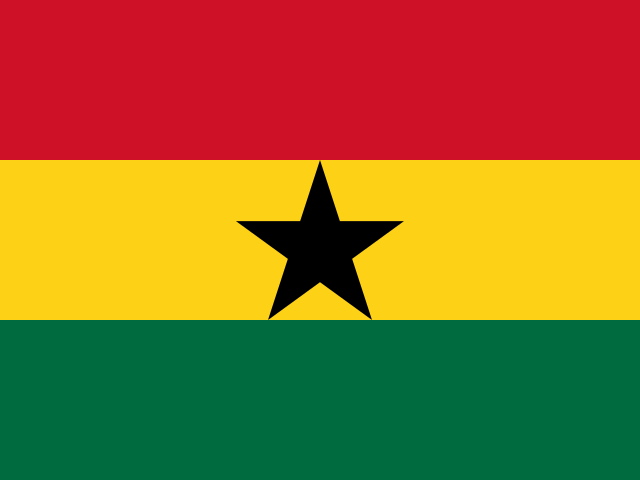
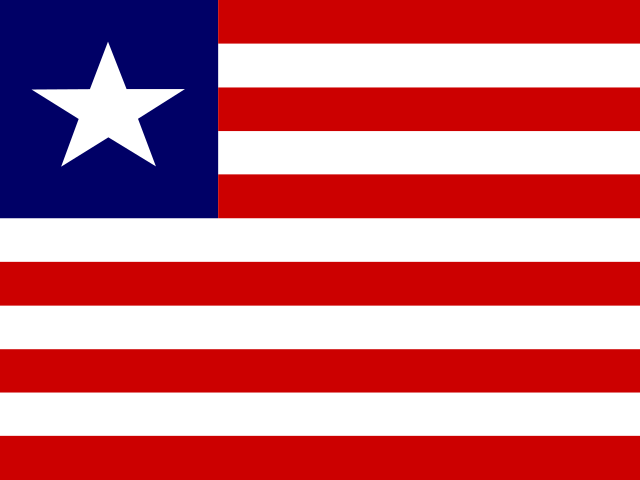
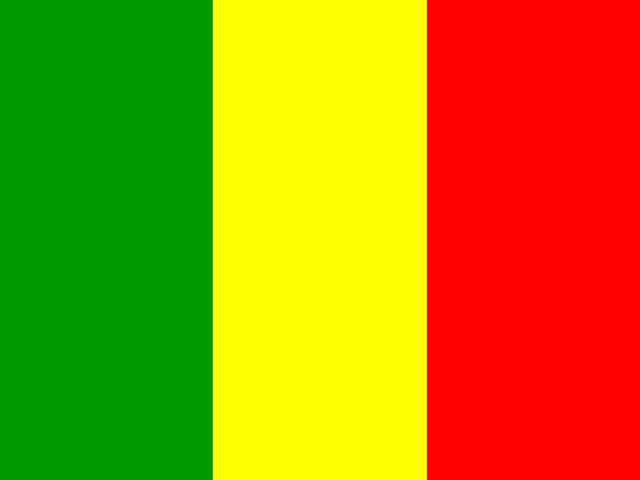
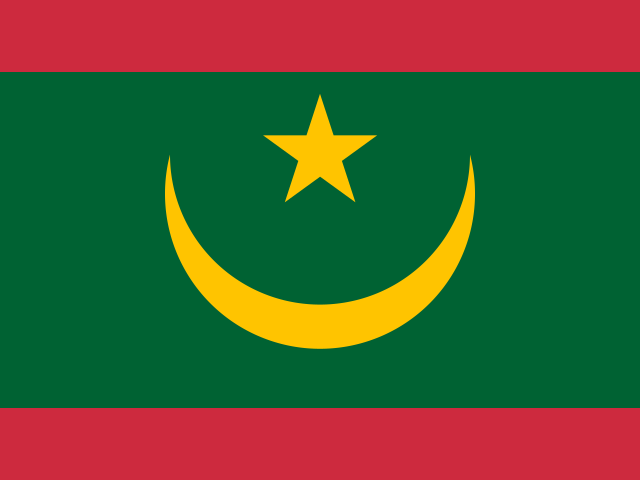
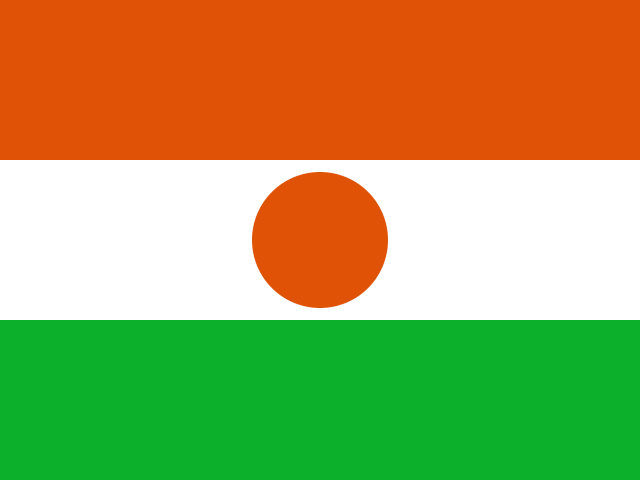
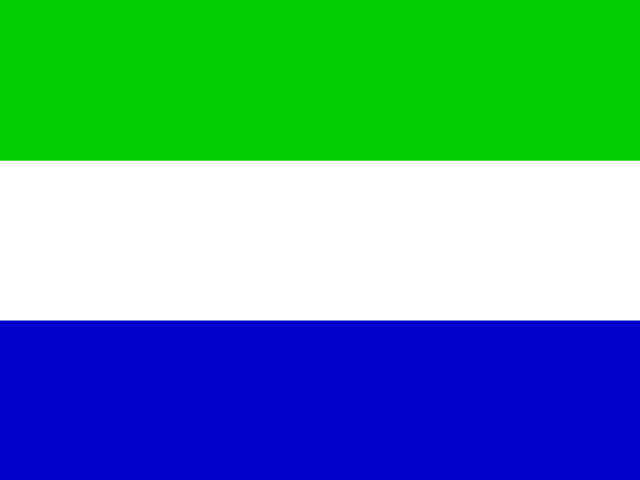
West Africa — Abuja (Nigeria), Accra (Ghana), Abidjan (Côte d'Ivoire), Dakar (Senegal), Bamako (Mali), Ouagadougou (Burkina Faso), Niamey (Niger), Porto-Novo (Benin), Lome (Togo), Monrovia (Liberia), Freetown (Sierra Leone), Conakry (Guinea), Bissau (Guinea-Bissau), Praia (Cabo Verde), Banjul (Gambia), Nouakchott (Mauritania). This is the largest sub-region by number of countries.
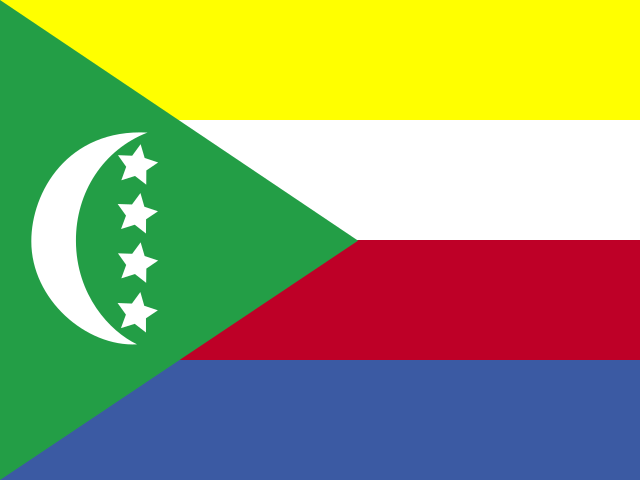
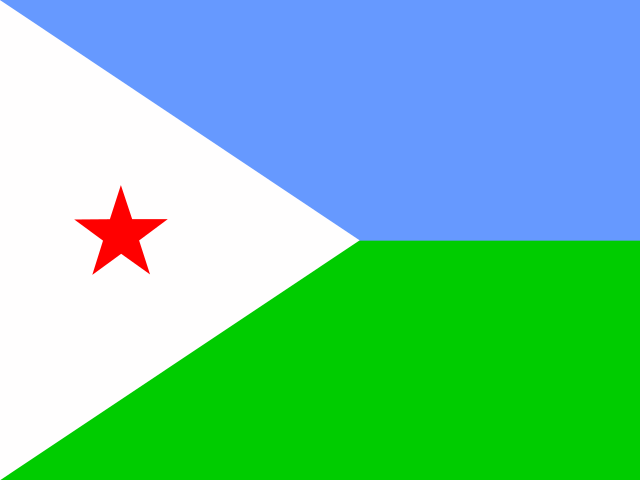
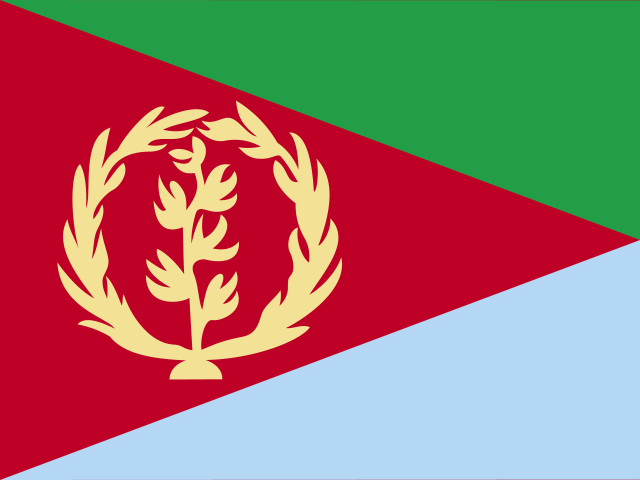
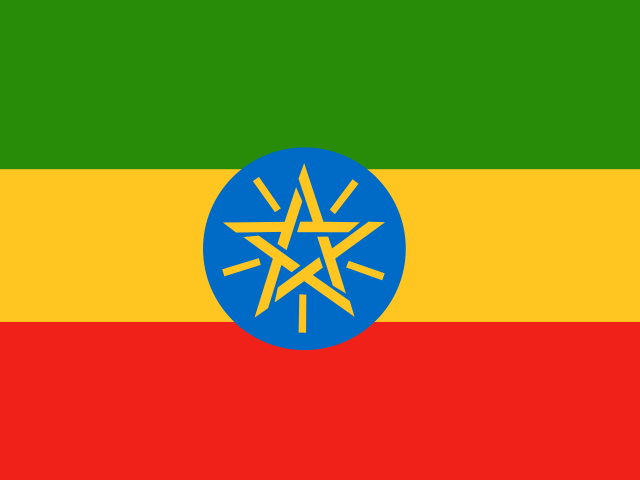
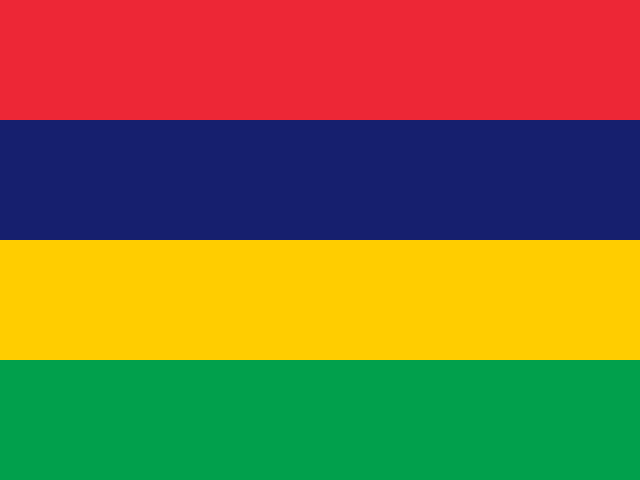
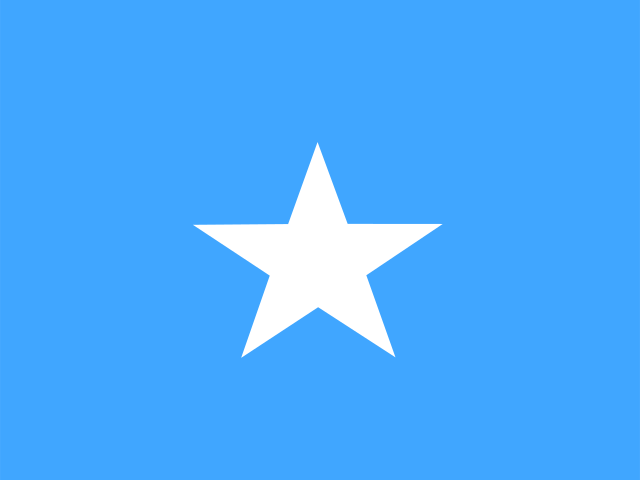
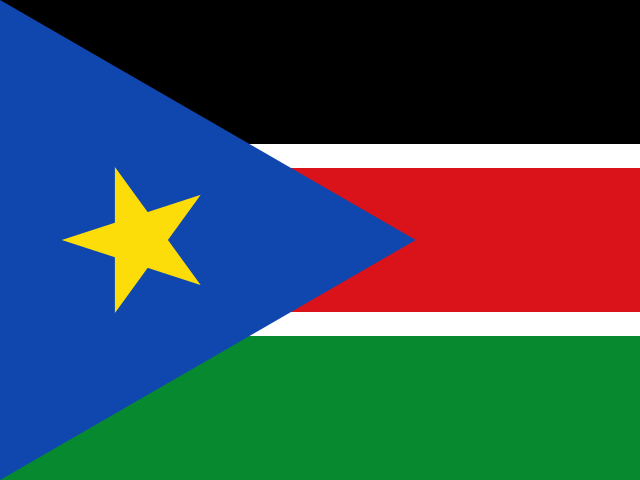
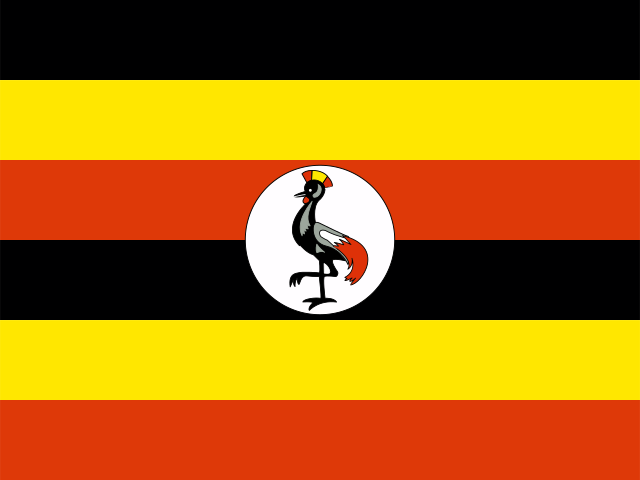
East Africa — Addis Ababa (Ethiopia), Nairobi (Kenya), Dar es Salaam (Tanzania), Kampala (Uganda), Kigali (Rwanda), Bujumbura (Burundi), Juba (South Sudan), Khartoum (Sudan), Djibouti (Djibouti), Mogadishu (Somalia), Asmara (Eritrea), Antananarivo (Madagascar), Moroni (Comoros), Victoria (Seychelles), Port Louis (Mauritius).
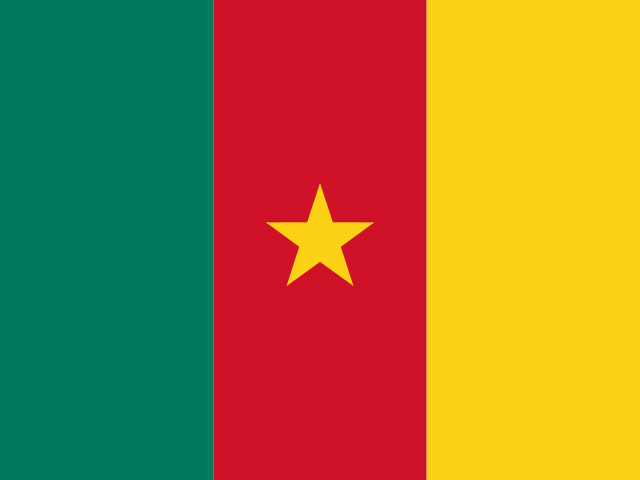
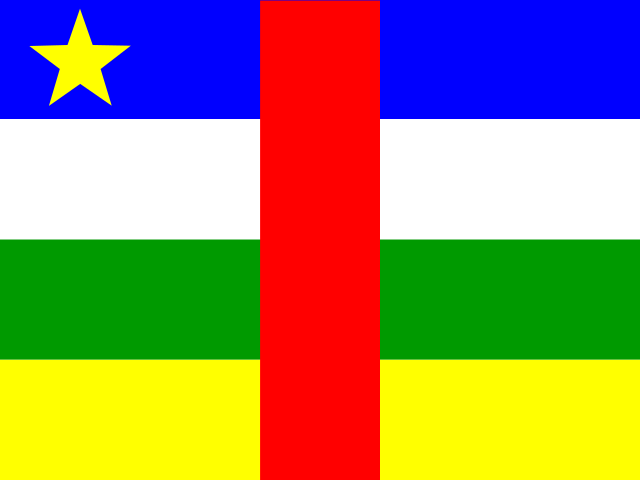
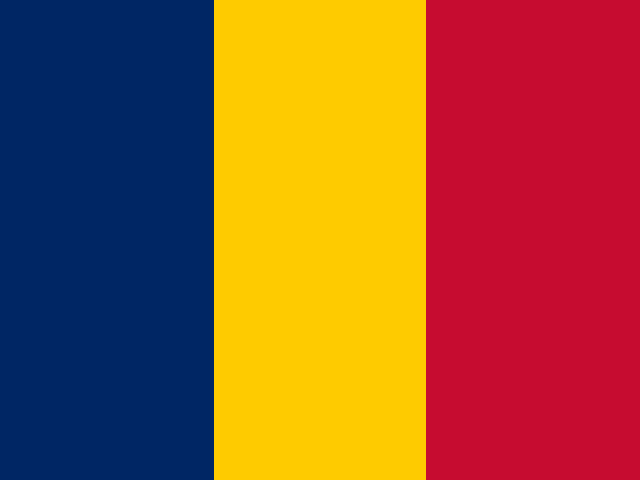
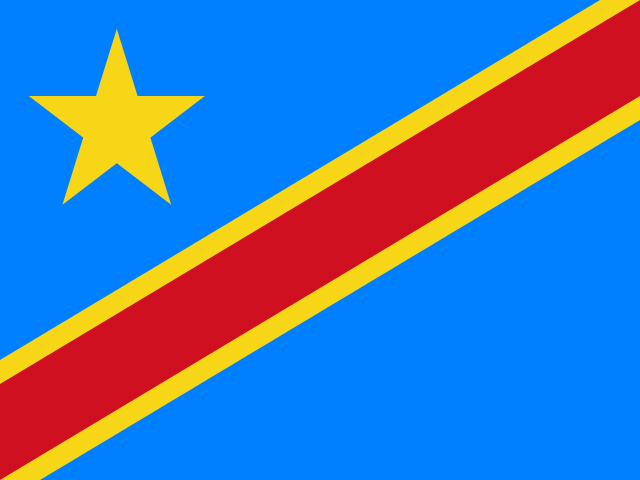
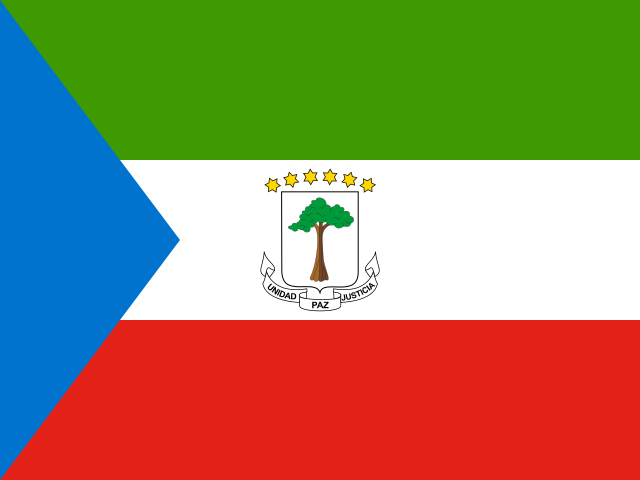
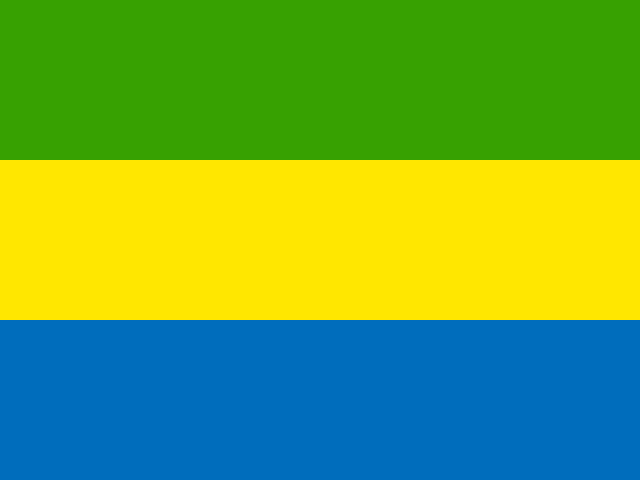
Central Africa — Kinshasa (DRC), Brazzaville (Republic of Congo), Yaoundé (Cameroon), Libreville (Gabon), Malabo (Equatorial Guinea), Bangui (CAR), São Tomé (São Tomé and Príncipe), N'Djamena (Chad).
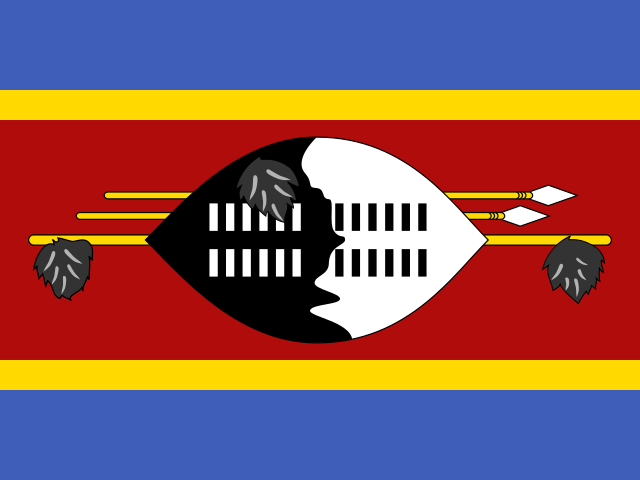
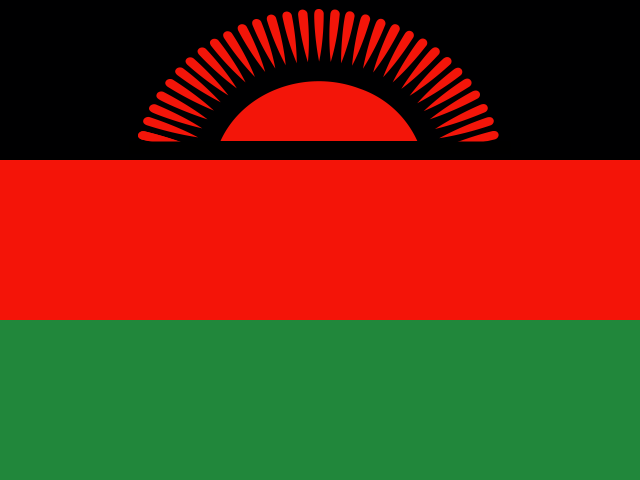
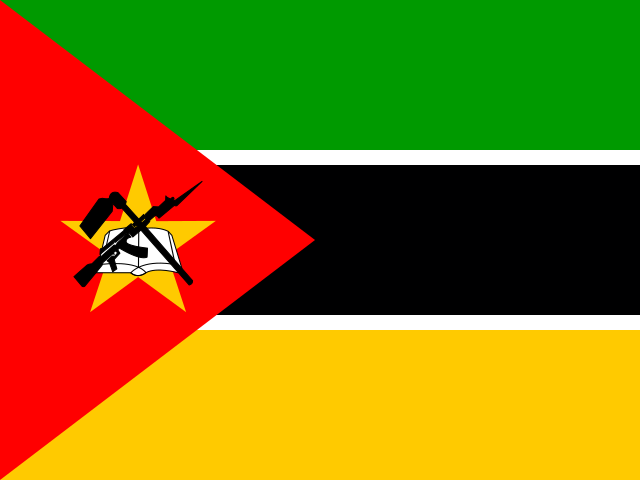
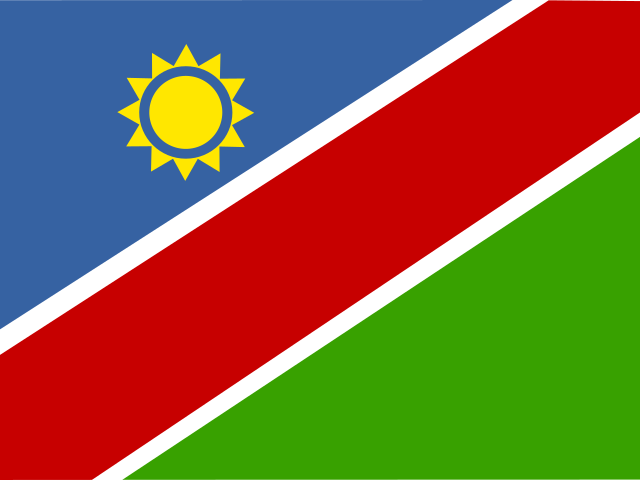
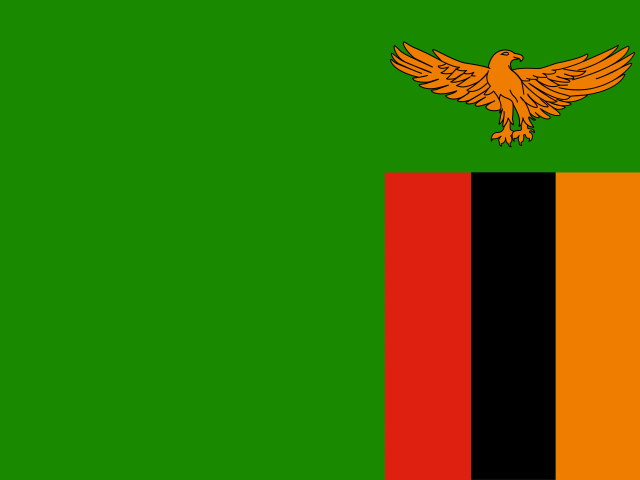
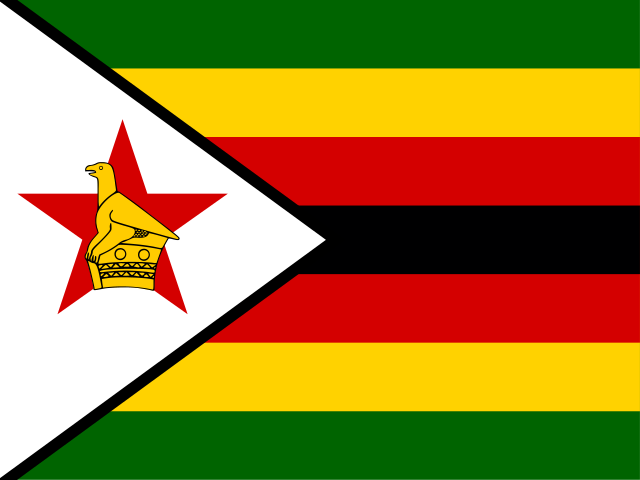
Southern Africa — Pretoria/Cape Town/Bloemfontein (South Africa), Lusaka (Zambia), Harare (Zimbabwe), Maputo (Mozambique), Lilongwe (Malawi), Windhoek (Namibia), Gaborone (Botswana), Mbabane (Eswatini), Maseru (Lesotho), Luanda (Angola).
Colonial vs. Indigenous Capital Names
Several African capitals have changed names since independence, reflecting the continent's broader project of reclaiming identity. The most notable example is Zimbabwe's capital — Salisbury became Harare in 1982. Malawi's capital was renamed from Zomba to Lilongwe when it moved. In Burkina Faso (formerly Upper Volta), the capital Ouagadougou kept its indigenous Mossi name rather than adopting a European one.
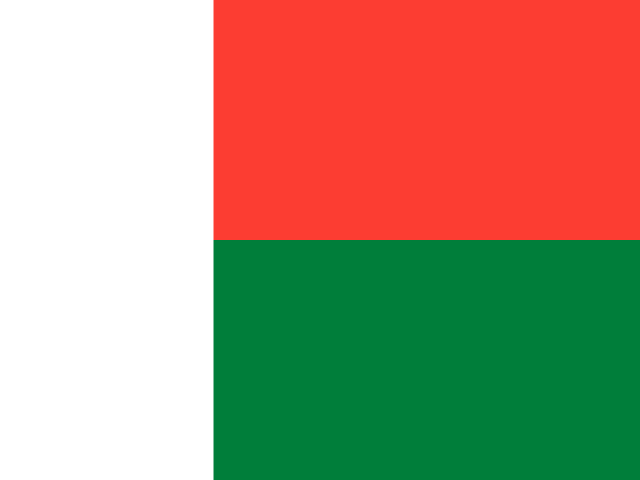
Some capitals, like Antananarivo (Madagascar) and Addis Ababa (Ethiopia), were never colonised — Ethiopia was never successfully colonised, and Madagascar's Merina kingdom built Antananarivo centuries before French rule. Their names carry unbroken indigenous lineage.
Africa has 54 countries, more than any other continent. Six African capitals are not the largest city in their country — Yamoussoukro (Côte d'Ivoire), Dodoma (Tanzania), Abuja (Nigeria), and Porto-Novo (Benin) among them. South Africa has three capitals: Pretoria, Cape Town, and Bloemfontein.▶ Start the Capital Cities of Africa quiz
Quiz tip: A classic trap: many African capitals aren't the biggest city — Yamoussoukro (not Abidjan) is Côte d'Ivoire's capital, and Dodoma (not Dar es Salaam) is Tanzania's.
Countries
54 sovereign nations
Largest capital
Cairo (20M+ metro)
Three capitals
South Africa
Moved capitals
Nigeria, Tanzania, Côte d'Ivoire
Trickiest
Yamoussoukro, Dodoma, Malabo
The full list (59)
FAQ
How many capital cities are there in Africa?
There are 54 UN-recognised sovereign countries in Africa, each with an official capital city. South Africa has three capitals (Pretoria, Cape Town, Bloemfontein) for different branches of government, but it counts as one country. Eswatini has two official capitals: Mbabane (administrative) and Lobamba (legislative and royal).
Which African capital is the largest?
Cairo, the capital of Egypt, is the largest city in Africa with a metropolitan population exceeding 20 million. It is followed by Kinshasa (DRC) and Lagos (Nigeria), though Lagos is no longer the capital — Abuja replaced it. Cairo is also one of the oldest continuously inhabited cities in the world.
Which African capitals were moved after independence?
Several African countries relocated their capitals after independence: Nigeria moved from Lagos to Abuja (1991), Tanzania from Dar es Salaam to Dodoma (1996), Côte d'Ivoire from Abidjan to Yamoussoukro (1983), and Malawi from Zomba to Lilongwe (1975). In each case, the move was motivated by a desire for a more central location or to reduce ethnic tensions.
Which African country has the hardest capital to remember?
Most quiz-takers struggle with the smaller and less globally prominent capitals. São Tomé (São Tomé and Príncipe), Moroni (Comoros), Bissau (Guinea-Bissau), and Malabo (Equatorial Guinea) consistently trip people up. For larger countries, the fact that Yamoussoukro (not Abidjan) is Côte d'Ivoire's capital catches many off guard.
Why does South Africa have three capitals?
South Africa has three capitals as a result of the 1910 Union of South Africa compromise. Pretoria is the administrative capital (executive branch), Cape Town is the legislative capital (Parliament), and Bloemfontein is the judicial capital (Supreme Court of Appeal). This power distribution was designed to balance the interests of the four former colonies that formed the union.
How can I learn all 54 African capitals?
The most effective method is active recall with spaced repetition. Our free timed quiz presents each country and asks you to pick the capital from four options under time pressure. This forces your brain to retrieve the answer rather than passively recognise it. Break the list into regional groups (North, West, East, Central, Southern) and learn one group at a time before combining them.
More geography quizzes
Ready to test yourself?
Start the Capital Cities of Africa quiz →