Flags of Africa Quiz
Africa has 54 countries and 54 national flags, more than any other continent. All 54 African flags are below with their names, A to Z, plus the flags of African territories. In the free quiz a flag appears and you pick its country from four choices, 10 flags a round, with no time limit.
Free · 10 flags a round · No time limit · No sign-up
Flags of Africa Quiz at a Glance
The Flags of Africa Quiz is a free DodoThinks game: a flag appears and you pick the African country from four choices, 10 flags a round. This page shows all 54 African country flags, plus the flags of African territories, so you can study them first. No sign-up needed.
- Flags
- 54 countries, plus 5 other flags
- Each round
- 10 flags
- Time limit
- None
- Answers
- 4 choices
- Cost
- Free, no sign-up
- Plays on
- Phone, tablet or computer
All 59 Flags of Africa
Every flag, A to Z. Tap a country for its capital, population and facts.
Countries (54)
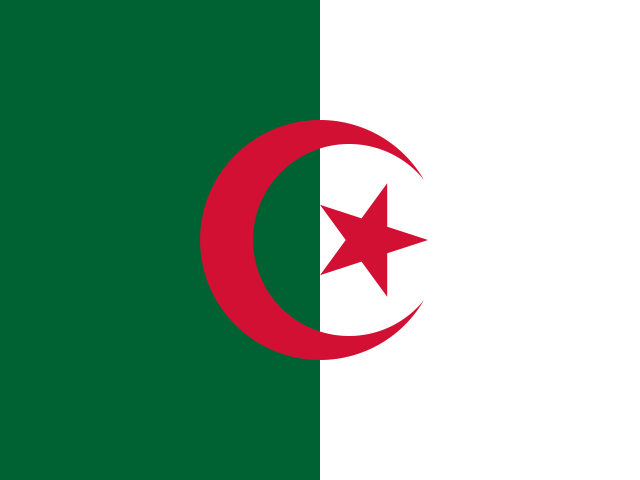 AlgeriaAlgiers
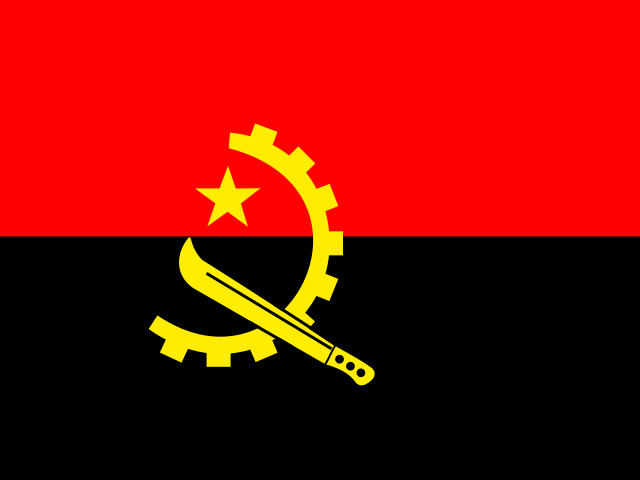 AngolaLuanda
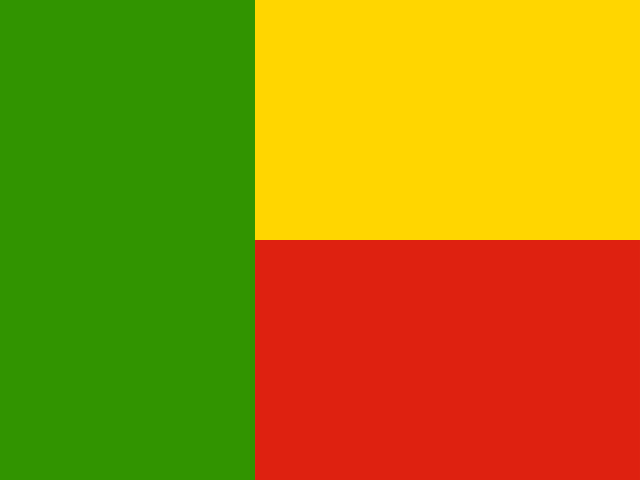 BeninPorto-Novo
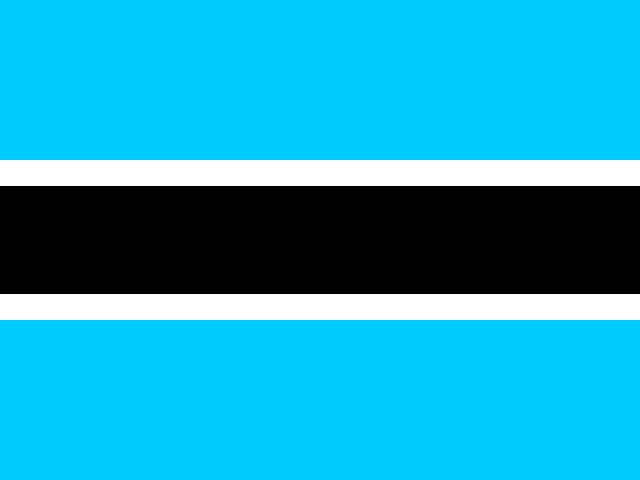 BotswanaGaborone
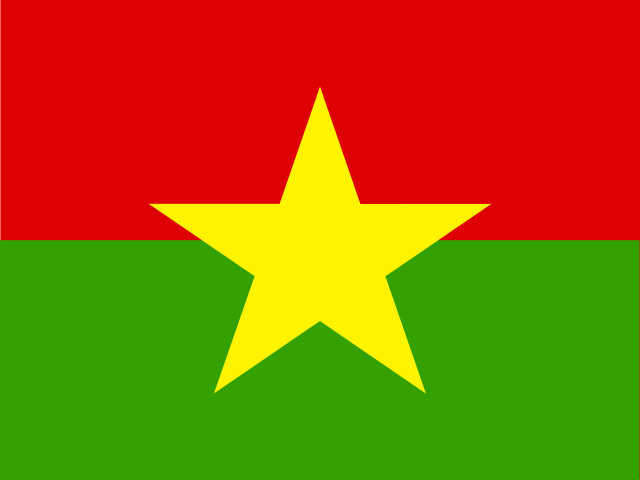 Burkina FasoOuagadougou
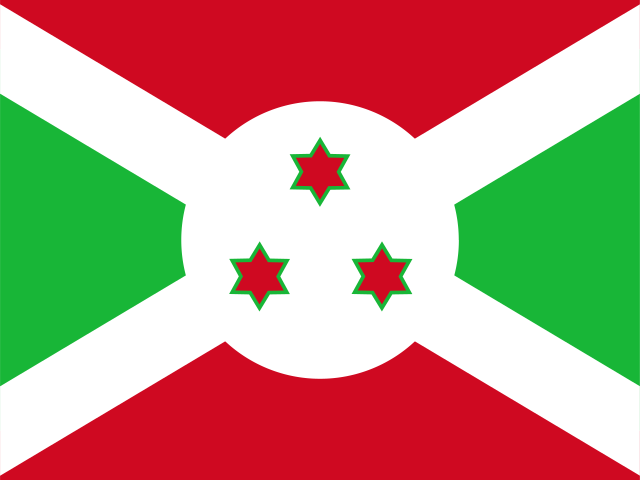 BurundiGitega
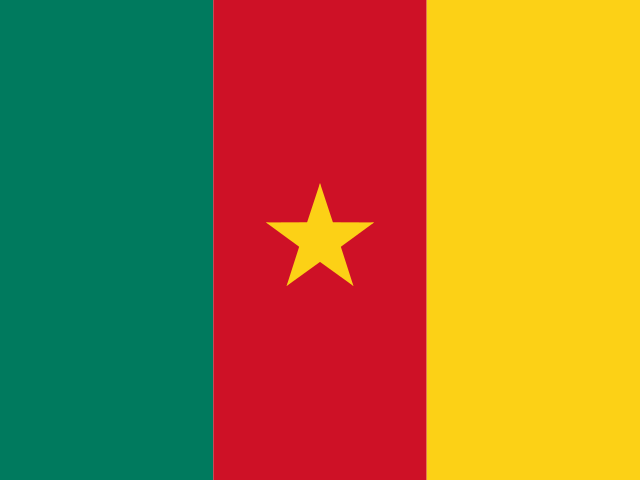 CameroonYaoundé
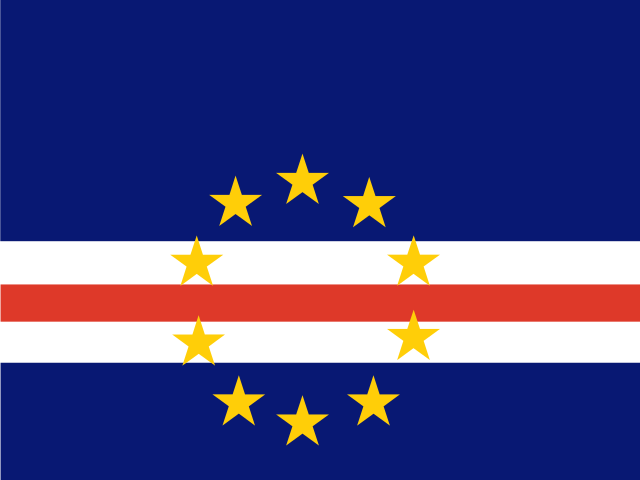 Cape VerdePraia
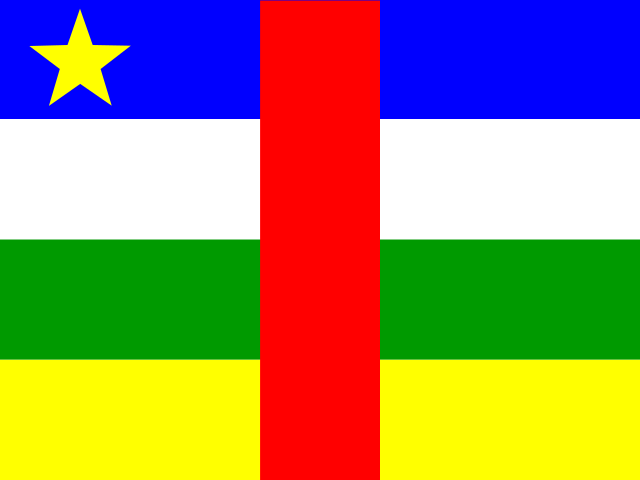 Central African RepublicBangui
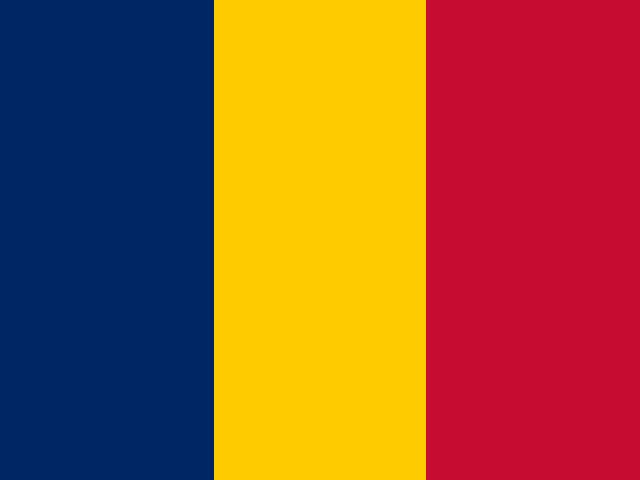 ChadN'Djamena
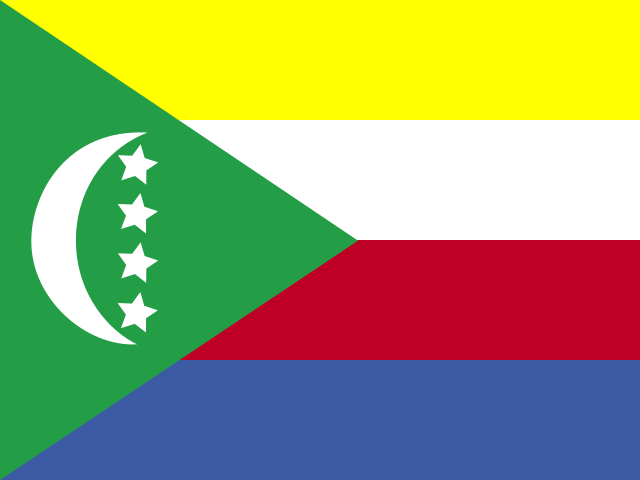 ComorosMoroni
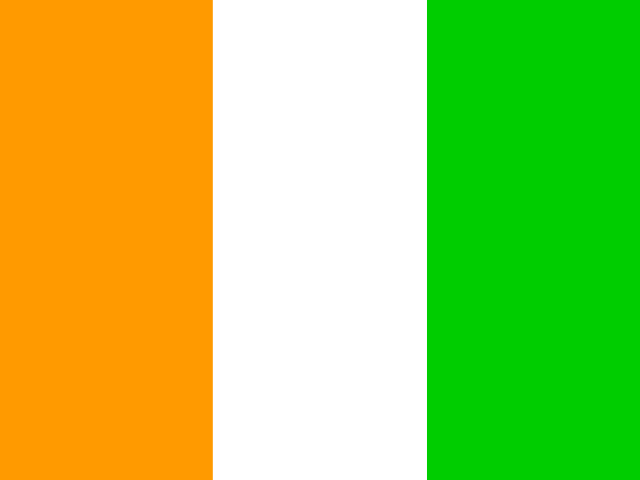 Côte d'Ivoire (Ivory Coast)Yamoussoukro
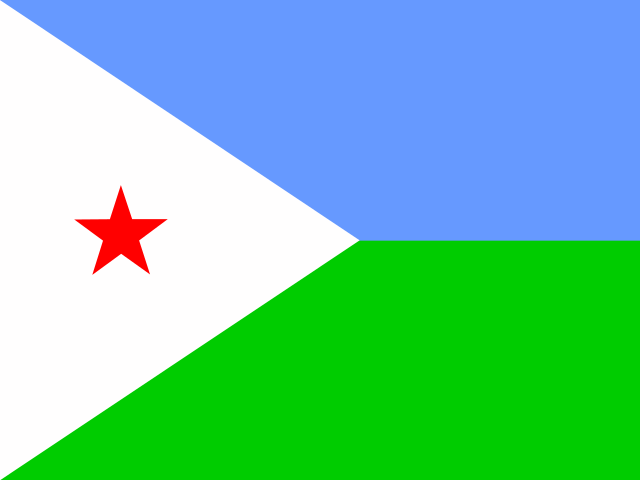 DjiboutiDjibouti
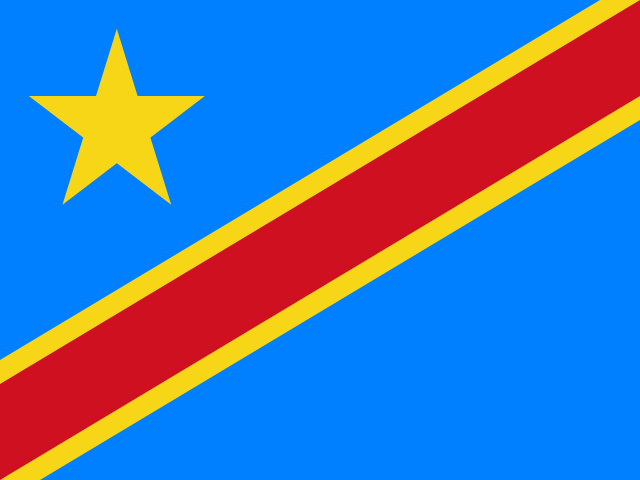 DR CongoKinshasa
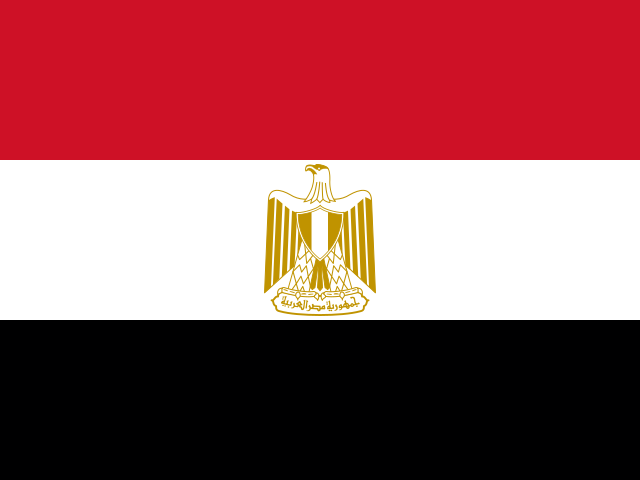 EgyptCairo
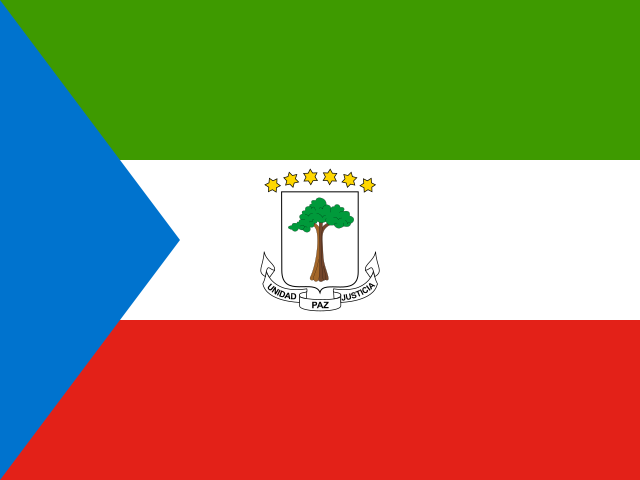 Equatorial GuineaMalabo
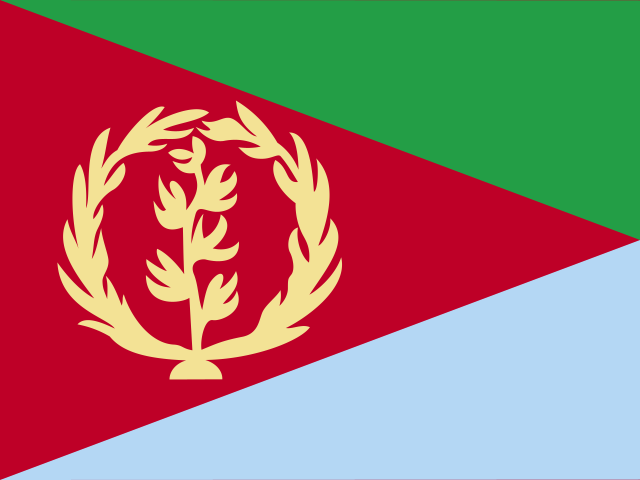 EritreaAsmara
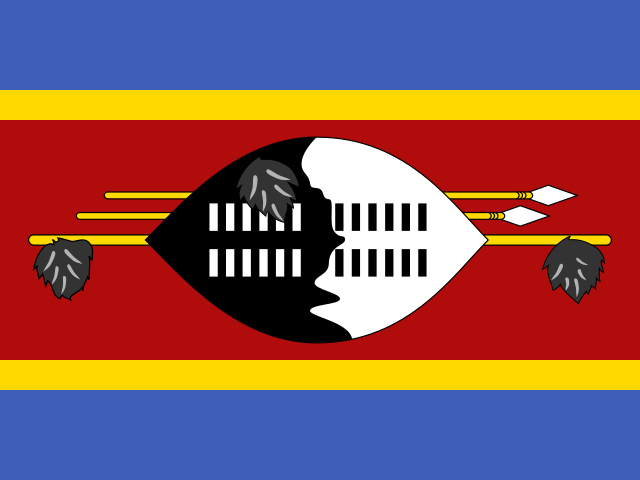 Eswatini (Swaziland)Lobamba
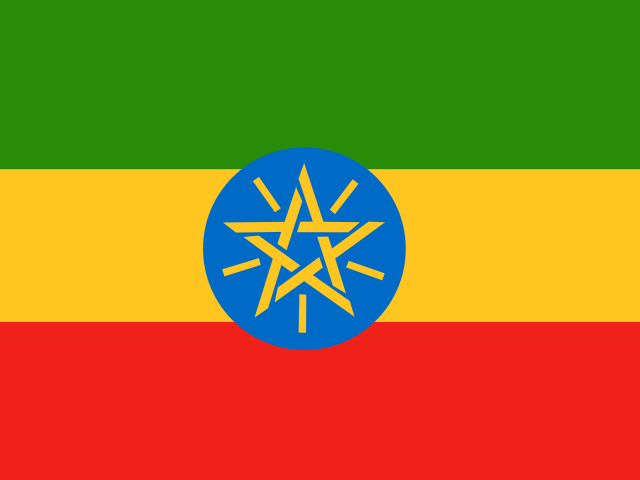 EthiopiaAddis Ababa
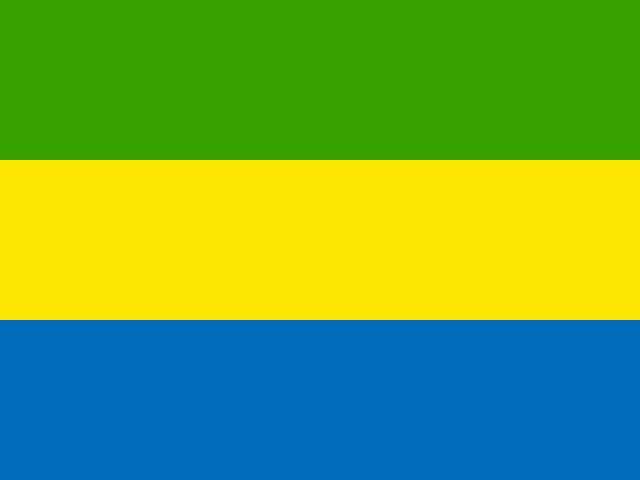 GabonLibreville
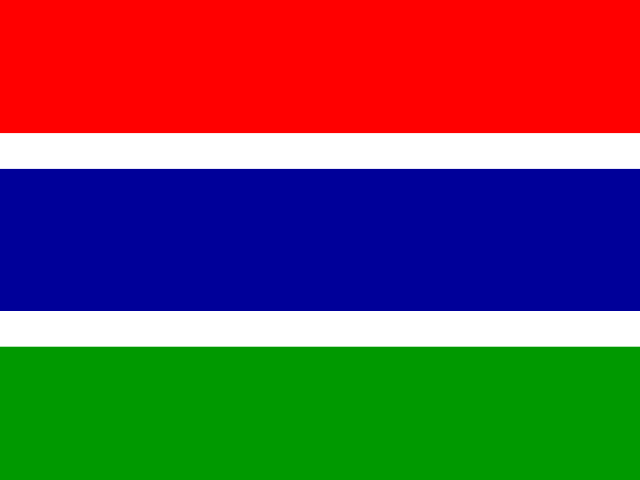 GambiaBanjul
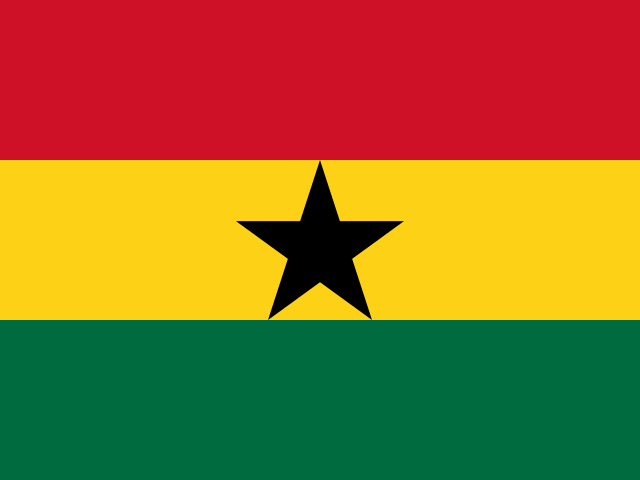 GhanaAccra
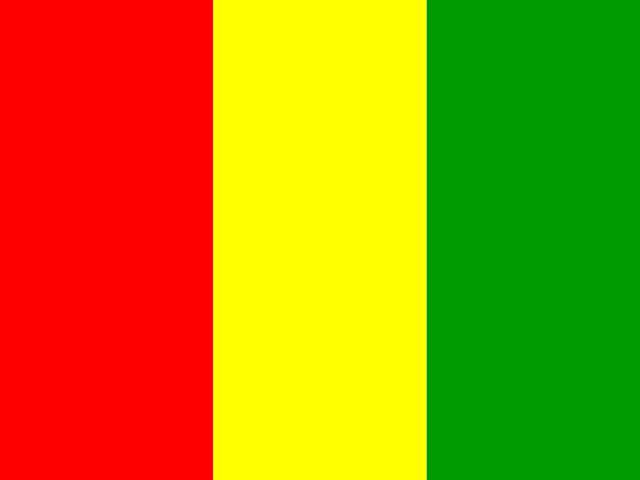 GuineaConakry
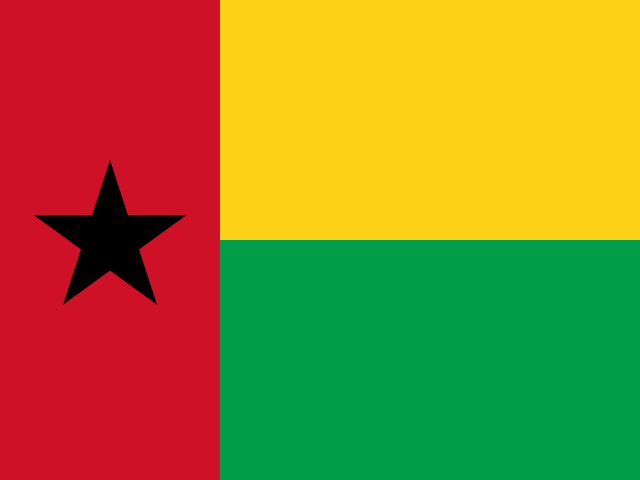 Guinea-BissauBissau
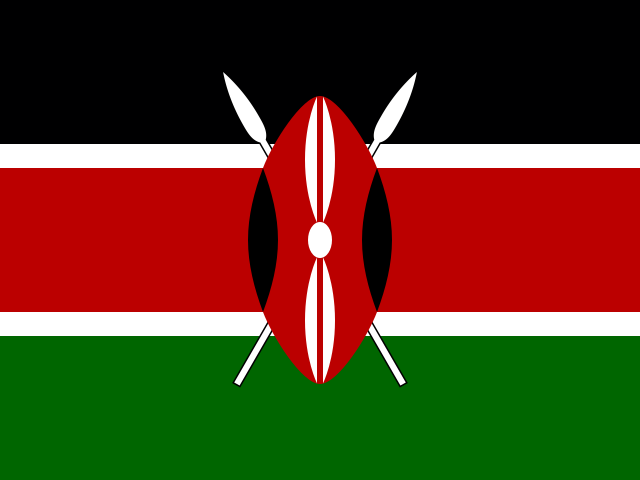 KenyaNairobi
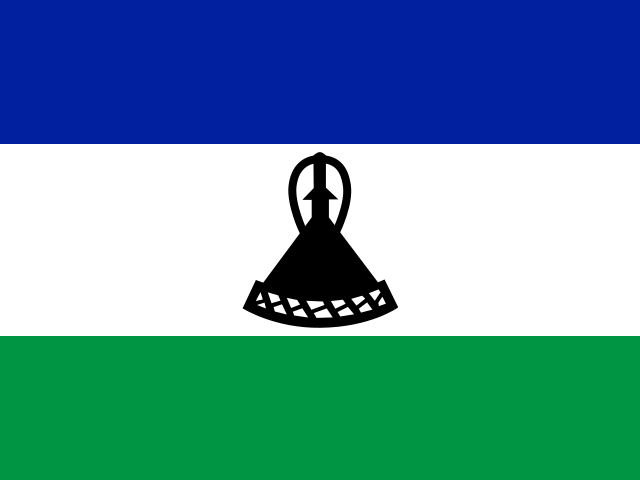 LesothoMaseru
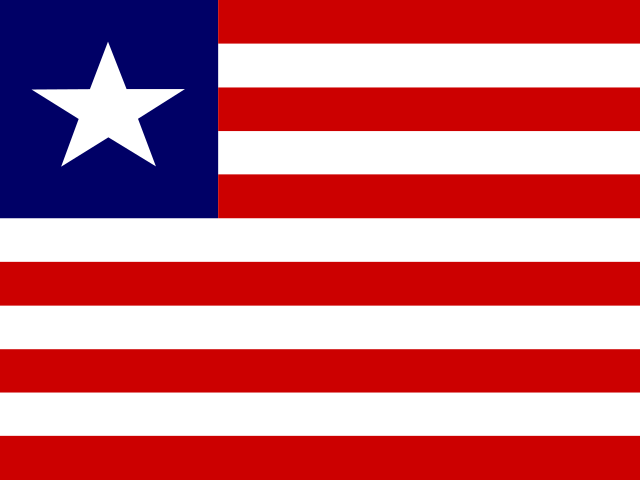 LiberiaMonrovia
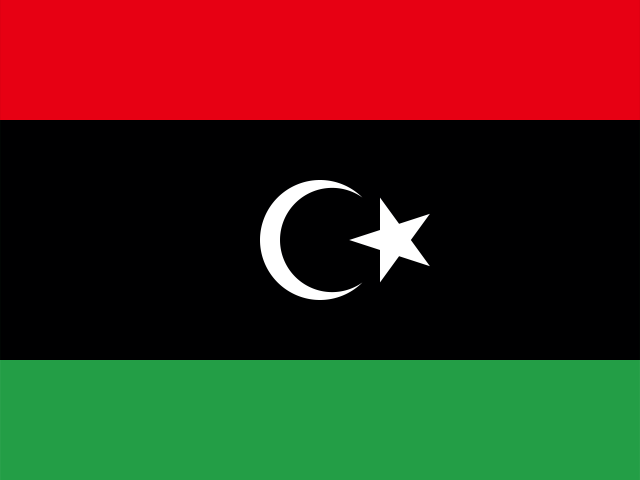 LibyaTripoli
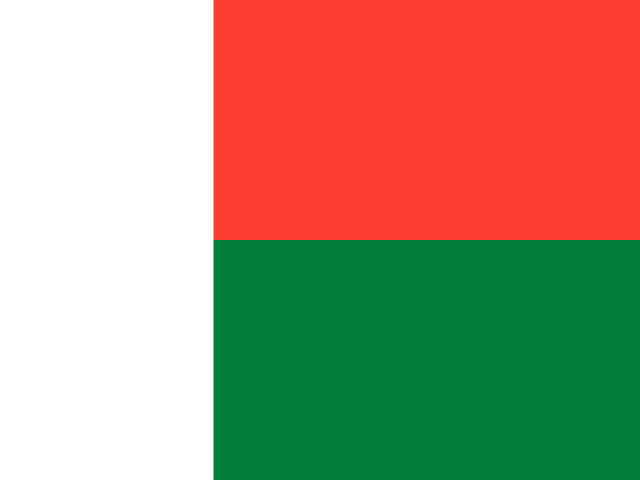 MadagascarAntananarivo
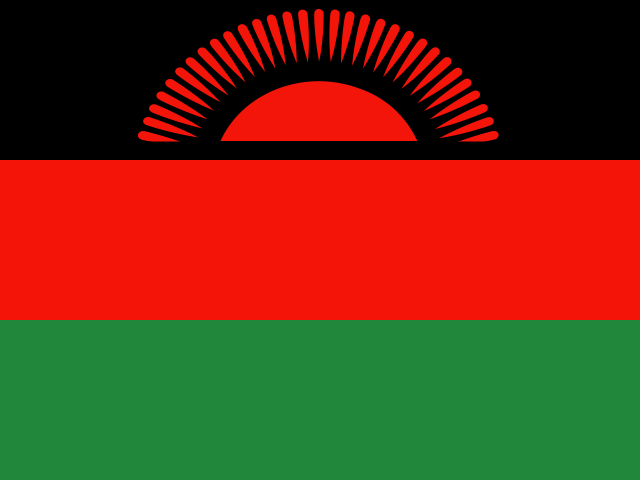 MalawiLilongwe
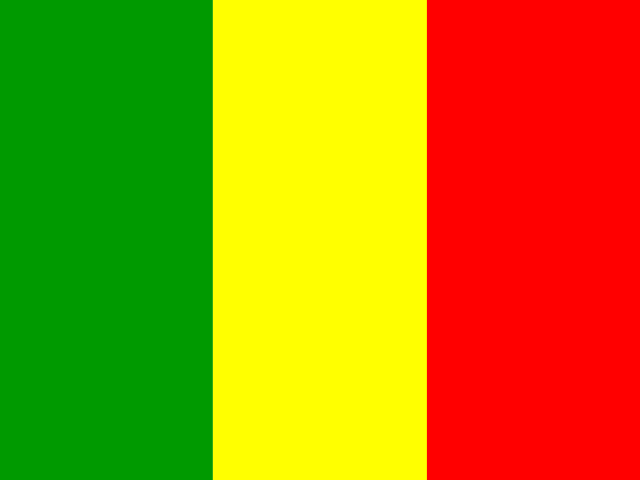 MaliBamako
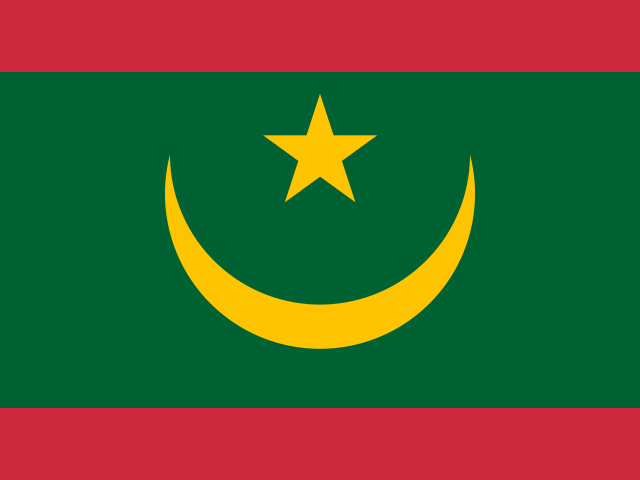 MauritaniaNouakchott
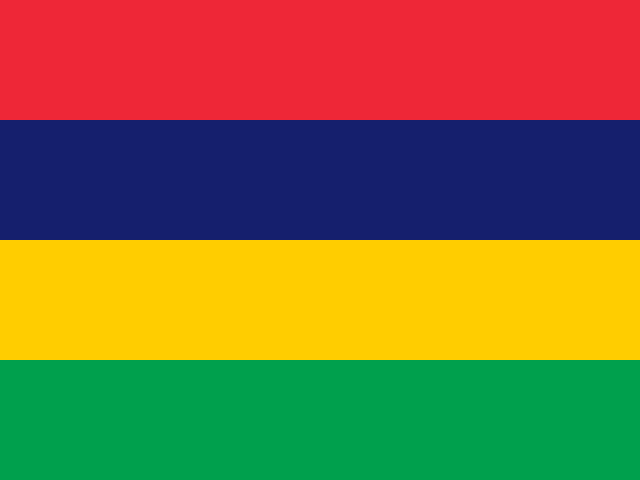 MauritiusPort Louis
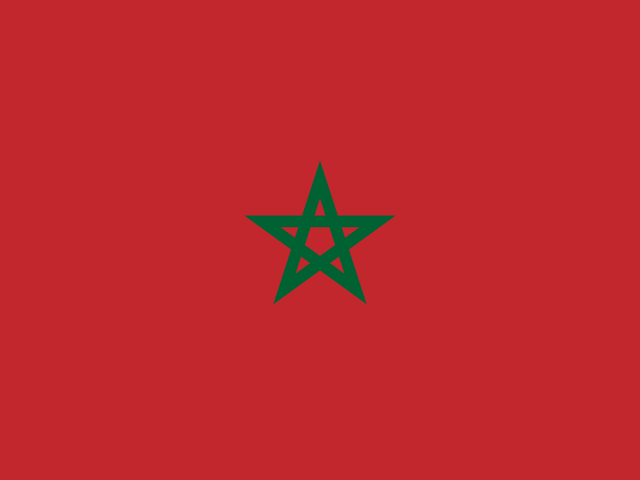 MoroccoRabat
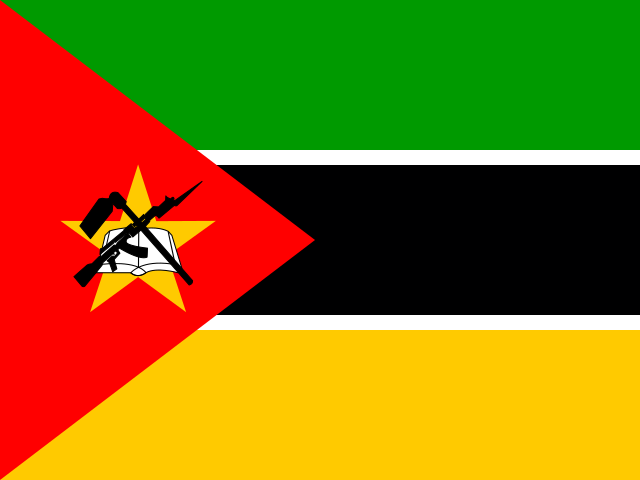 MozambiqueMaputo
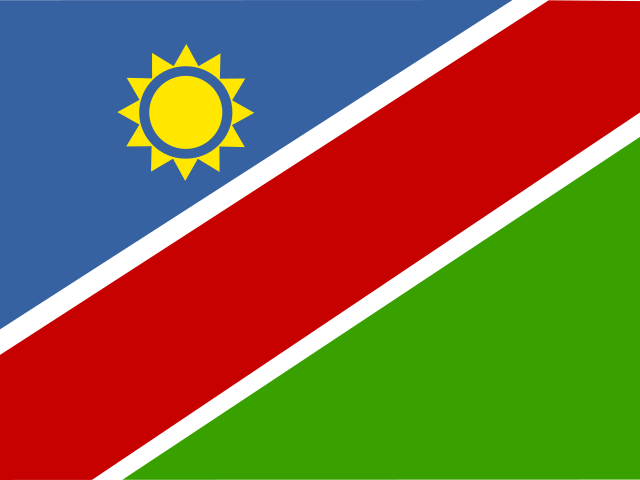 NamibiaWindhoek
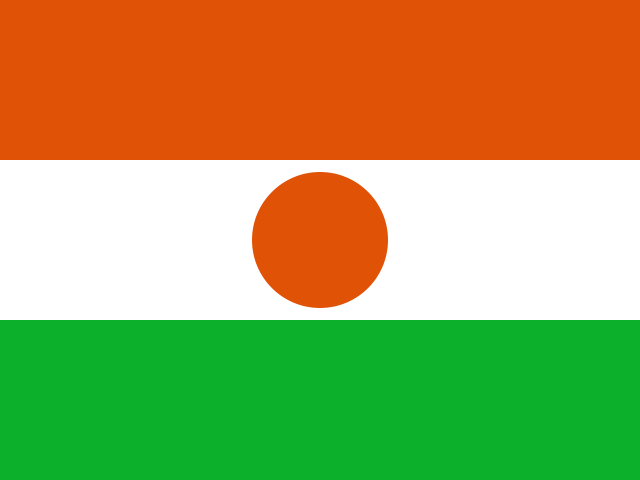 NigerNiamey
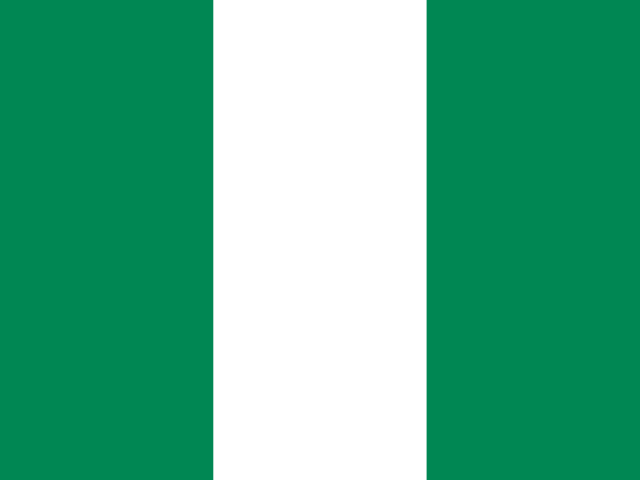 NigeriaAbuja
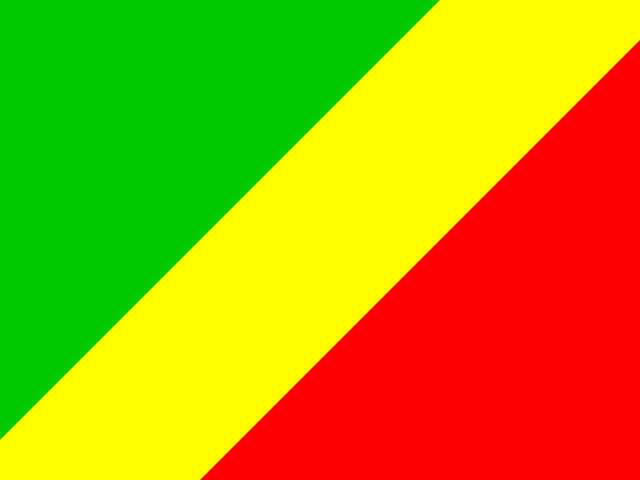 Republic of the CongoBrazzaville
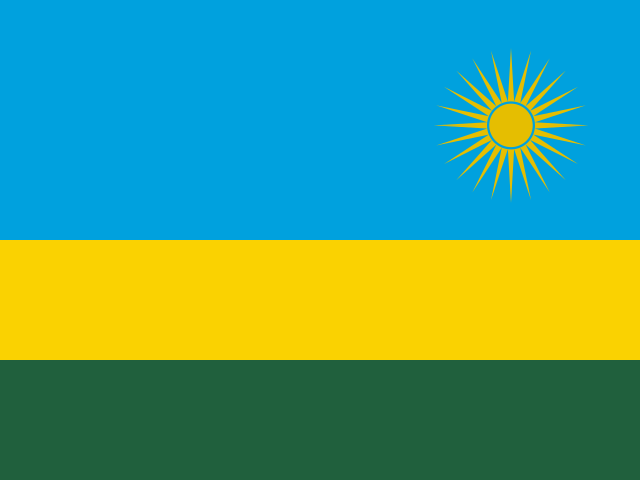 RwandaKigali
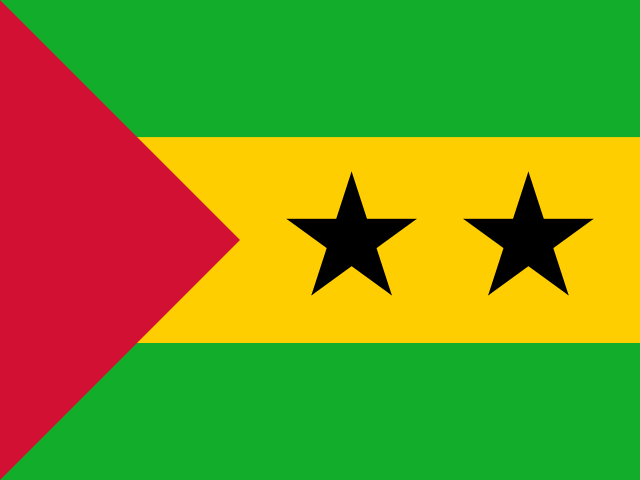 São Tomé and PríncipeSão Tomé
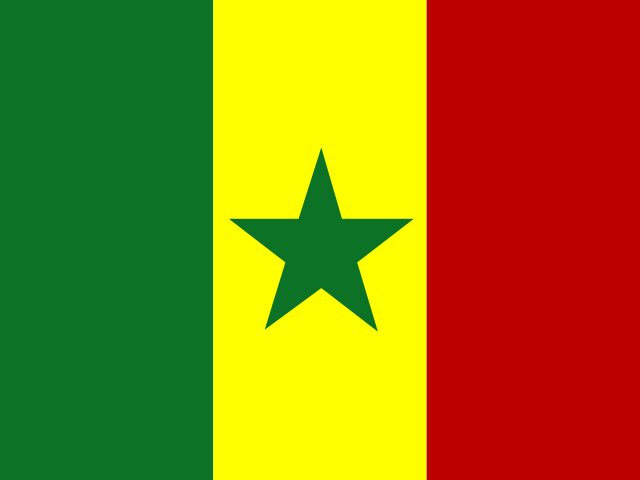 SenegalDakar
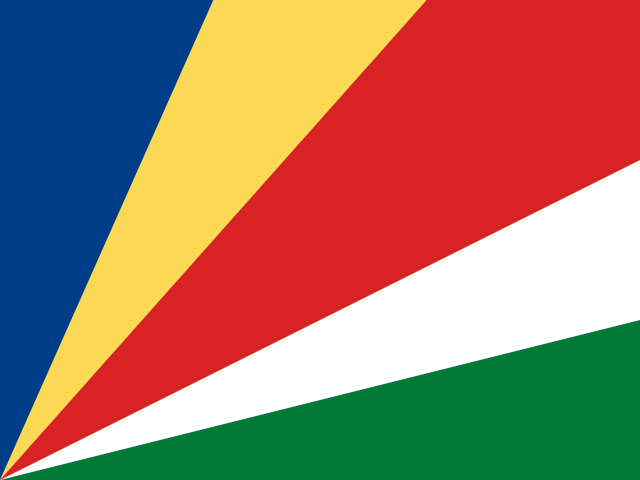 SeychellesVictoria
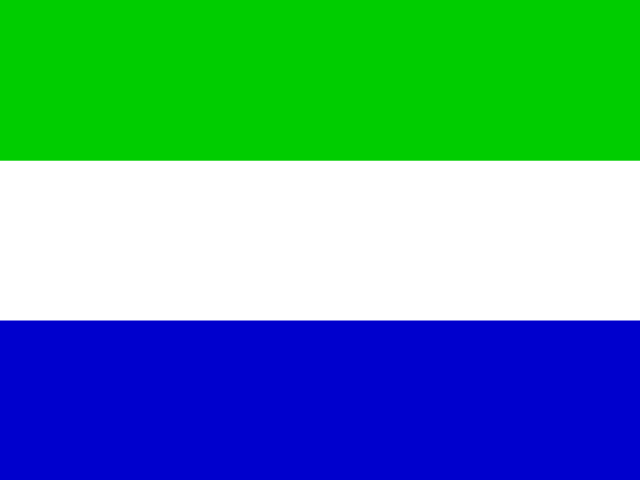 Sierra LeoneFreetown
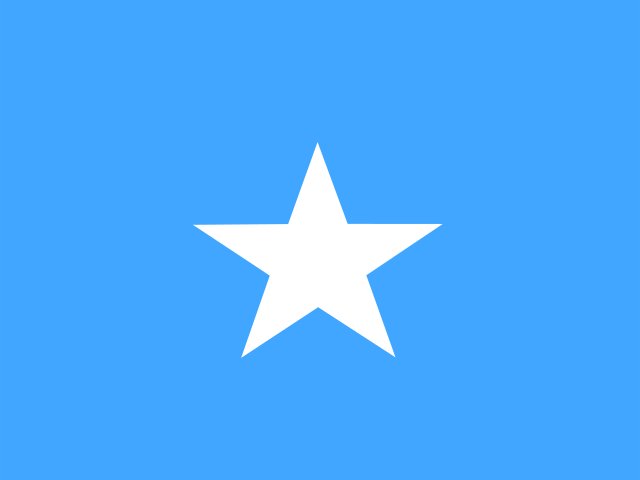 SomaliaMogadishu
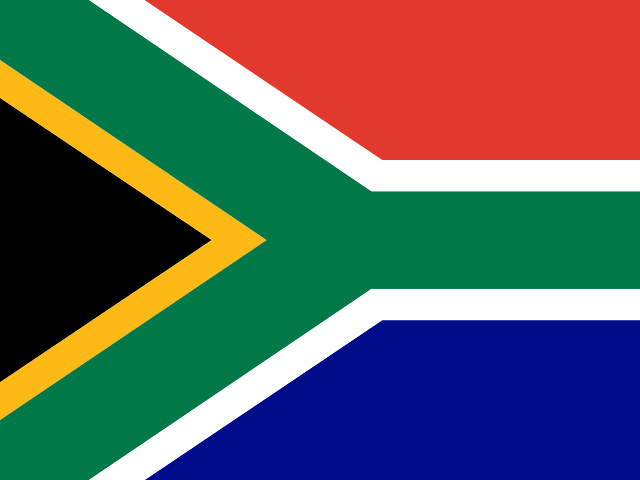 South AfricaPretoria
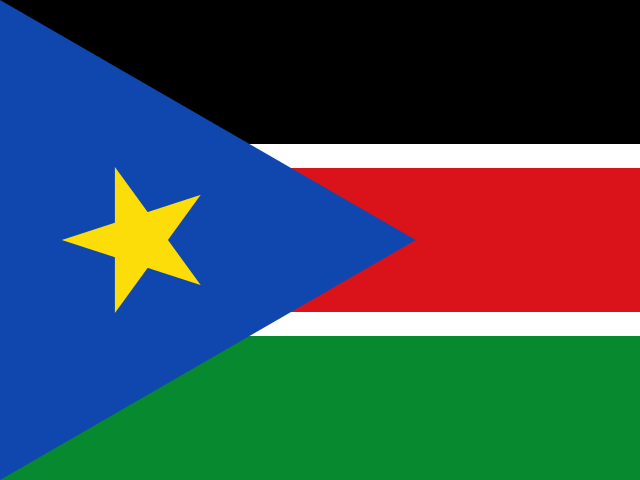 South SudanJuba
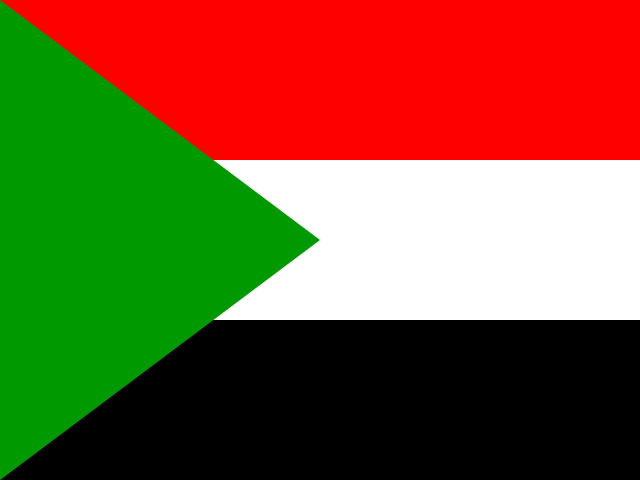 SudanKhartoum
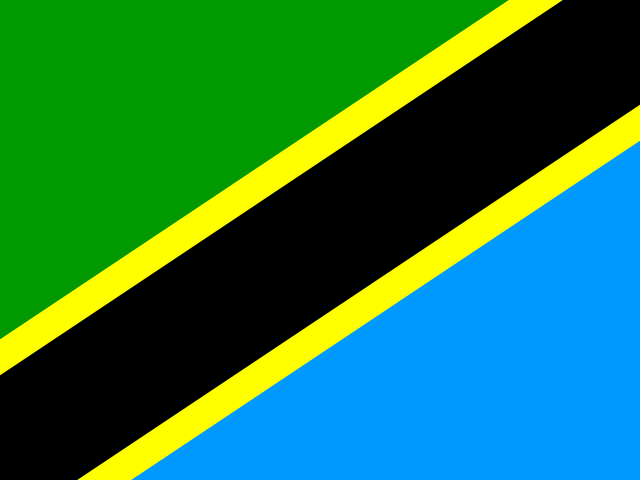 TanzaniaDodoma
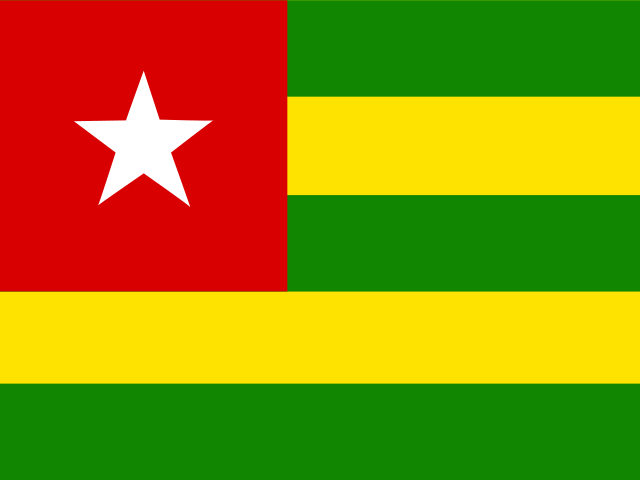 TogoLomé
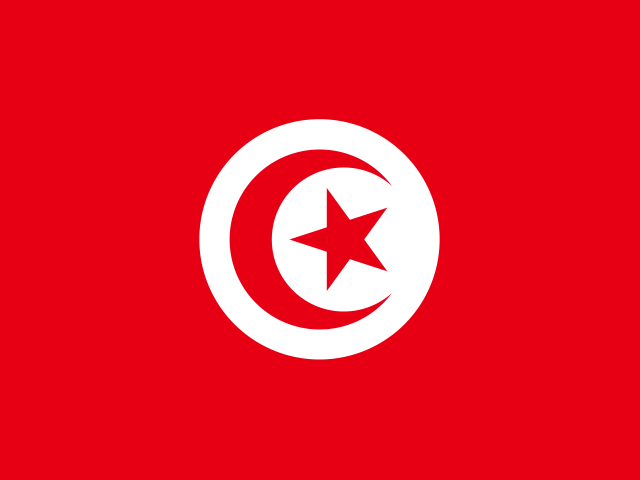 TunisiaTunis
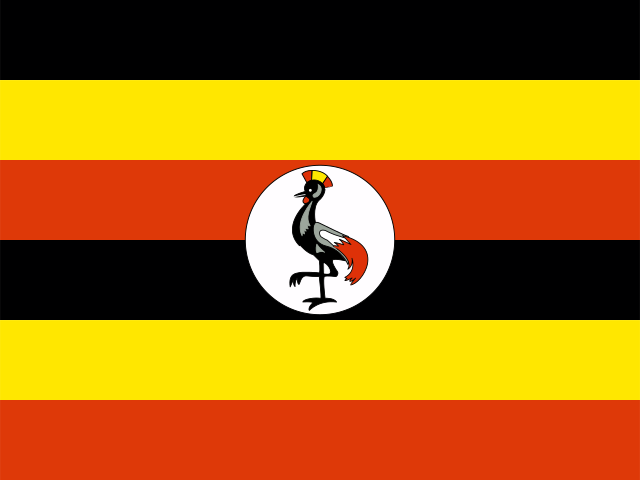 UgandaKampala
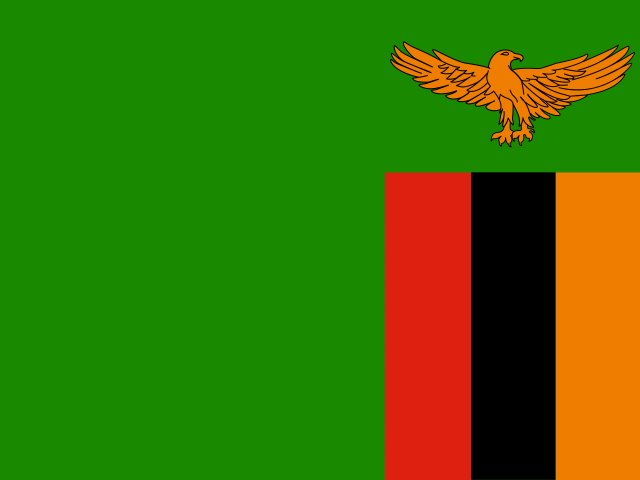 ZambiaLusaka
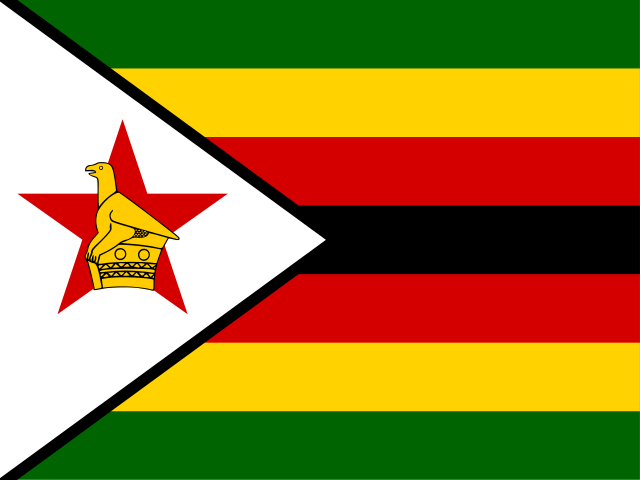 ZimbabweHarare
Other flags (5)
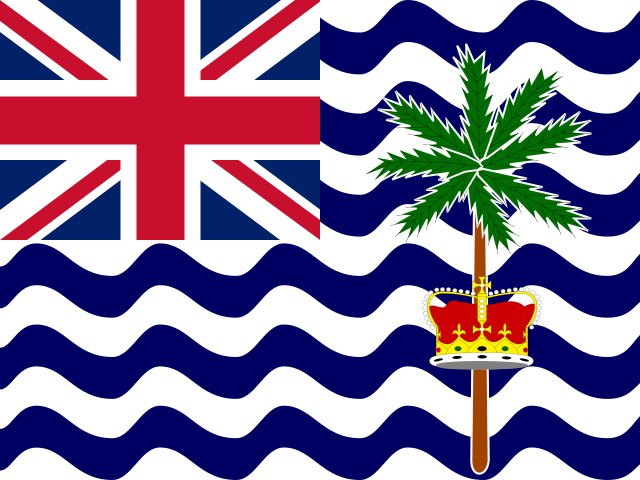
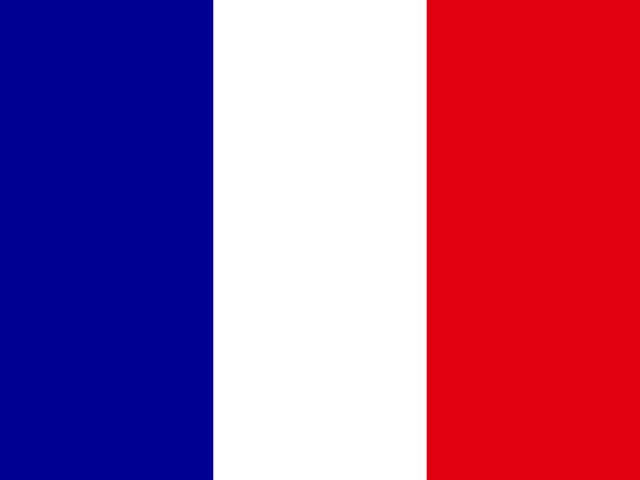
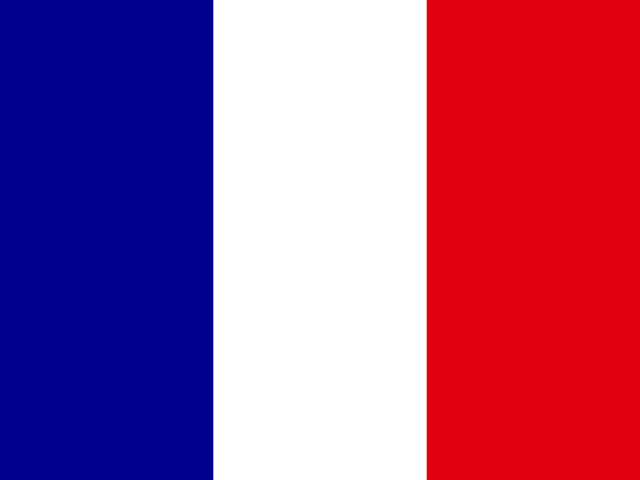
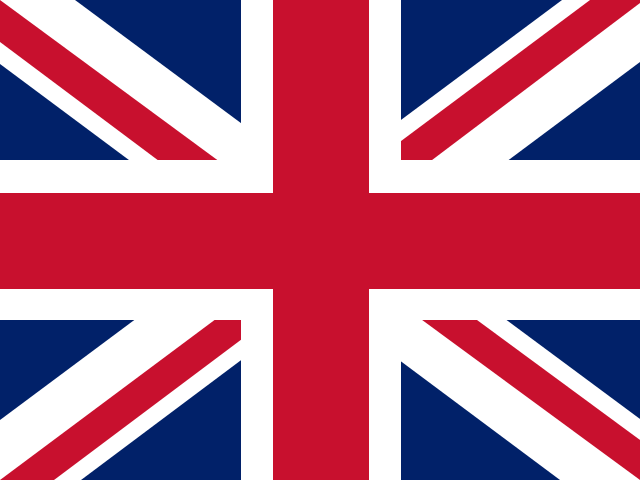
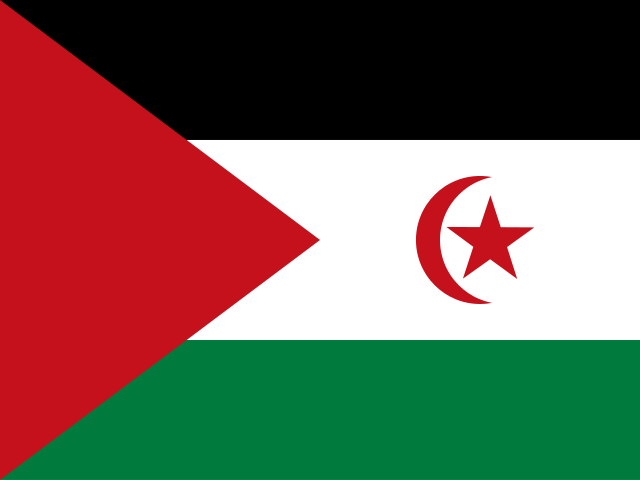
Territories and places that are not UN member states.
The Pan-African Colours
The most useful thing to know about African flags is the pan-African palette: red, gold and green. It comes from Ethiopia, which kept its independence through the colonial era apart from a short Italian occupation. When Ghana became independent in 1957 it was the first new African country to take these colours, and many others followed in the 1960s as a symbol of freedom and unity.
Flags made mostly of red, gold and green: Ethiopia, Ghana, Guinea, Mali, Senegal, Cameroon, Benin, Togo, Burkina Faso, Guinea-Bissau, Mauritania, the Republic of the Congo and São Tomé and Príncipe.
Flags that mix them with other colours: Zimbabwe, Mozambique, South Africa, Namibia, Eritrea, the Central African Republic, Mauritius, Seychelles and Comoros.
A second family uses red, black and green, the colours of the Pan-African flag created in 1920, which appear on the flags of Kenya, Malawi and South Sudan.
African Flags With Stars
About half of Africa's flags have a star, so a star alone rarely gives a flag away. Look at its colour and where it sits:
One star in the middle: Ghana (black), Senegal (green), Cameroon (gold, on the red stripe), Burkina Faso (gold), Morocco (a green outline on red), Somalia (white on light blue) and Ethiopia (yellow, on a blue disc).
One star near the hoist or in a corner: Togo, Liberia, Guinea-Bissau, South Sudan, the Democratic Republic of the Congo, the Central African Republic, Djibouti and Zimbabwe.
A star with a crescent: Algeria, Tunisia, Libya and Mauritania. Comoros has four stars beside its crescent, one for each island.
More than one star: Cape Verde has ten, one for each of its main islands, the most on any African flag. Burundi has three six-pointed stars, and São Tomé and Príncipe two black stars for its two islands. Angola and Mozambique carry a star inside their emblems.
The Newest African Flag: South Sudan
South Sudan has Africa's newest national flag. It became the flag of a country on 9 July 2011, the day South Sudan became independent from Sudan, which also made it the newest country in the world. Black stands for the people, red for the blood shed for freedom, green for the land and white for peace. The blue triangle is the waters of the Nile, and the gold star stands for the unity of the states.
It is easy to mix up with Kenya: both have black, red and green stripes edged in white. Kenya has a shield and spears in the middle, while South Sudan has a blue triangle and a star at the hoist.
Older countries have changed their flags since. Mauritania added a red stripe along the top and bottom in 2017, for those who died fighting for independence.
African Flags by Region
North Africa: Egypt, Libya and Sudan use the pan-Arab colours (red, white, black and green), while Algeria, Tunisia and Morocco lean on the crescent and star. Morocco is red with a green five-pointed star, and Tunisia is red with a white disc holding a red crescent and star.
West Africa: the home of the vertical tricolour. Senegal, Mali, Guinea and Côte d'Ivoire all use three vertical stripes, and Ghana, Togo and Burkina Faso add a star.
East Africa: shields, birds and bold stripes. Kenya has a Maasai shield and spears, Uganda a grey crowned crane, Tanzania a diagonal band and Rwanda a golden sun.
Central Africa: Chad's blue, yellow and red tricolour is almost identical to Romania's, and the Democratic Republic of the Congo has a red diagonal band and a yellow star on sky blue.
Southern Africa: the most varied designs on the continent, including South Africa's six-colour Y shape, Mozambique's rifle and hoe and Eswatini's warrior shield.
How to Tell Similar African Flags Apart
Senegal, Mali, Guinea and Cameroon all use vertical stripes in the pan-African colours. Mali is plain green, gold and red. Senegal is the same with a green star in the middle. Guinea reverses the order to red, gold and green. Cameroon is green, red and gold with a gold star on the red stripe.
Ghana and Ethiopia both use horizontal stripes in the same three colours. Ghana is red, gold and green with a black star, while Ethiopia is green, yellow and red with a blue disc and a yellow star.
A quick check settles most African flags: are the stripes vertical or horizontal, and is there a star, an emblem or nothing at all?
Flags That Break the Pattern
Not every African flag uses the pan-African palette, and the exceptions are often the easiest to remember:
South Africa: six colours and a green Y shape, one of the most distinctive flags in the world.
Kenya: black, red and green with white borders, and a Maasai shield and spears in the centre.
Mozambique: the only national flag with a modern rifle, crossed with a hoe over an open book.
Libya: from 1977 to 2011 its flag was plain green, the only single-colour national flag of its time. Today it is red, black and green with a white crescent and star.
Africa has 54 countries. Most of their flags use the pan-African colours, red, gold and green, taken from the flag of Ethiopia. The hardest to tell apart are Senegal, Mali, Guinea and Cameroon, which all use vertical red, gold and green stripes and differ only in the order of the colours and a star.
Quiz tip: Red, gold and green appear on more African flags than any other colours. They come from the flag of Ethiopia, which, apart from a five-year Italian occupation, was never colonised.
Countries
54
Signature palette
Red, gold and green
Palette from
Ethiopia
Most colours
South Africa (6)
Tricky set
Senegal, Mali, Guinea, Cameroon
Newest flag
South Sudan (2011)
Frequently Asked Questions
How many flags are there in Africa?
Africa has 54 countries, so 54 national flags. This page also shows the flags of places such as Réunion, Mayotte and Western Sahara, which are not UN member states.
Why do so many African flags have red, yellow and green?
They are the pan-African colours, taken from the flag of Ethiopia, which kept its independence through the colonial era apart from a short Italian occupation. As African countries became independent in the 1950s and 1960s, many adopted these colours as a symbol of freedom and unity.
Which African flags have a star?
About half of them. Ghana, Senegal, Cameroon, Burkina Faso, Morocco, Somalia, Ethiopia, Togo, Liberia, Guinea-Bissau, South Sudan, the DR Congo, the Central African Republic, Djibouti and Zimbabwe have one star. Algeria, Tunisia, Libya and Mauritania have a star with a crescent. Cape Verde (ten), Comoros (four), Burundi (three) and São Tomé and Príncipe (two) have more than one.
What is the newest flag in Africa?
South Sudan's. It became a national flag on 9 July 2011, when South Sudan became independent, the newest country in Africa and in the world. The newest change to an older flag is Mauritania's, which added red stripes in 2017.
What do the colours on African flags mean?
Meanings vary by country, but on many flags red stands for the blood shed for independence, gold or yellow for mineral wealth, green for the land and its forests, and black for the people of Africa.
Which African flags look the most similar?
Senegal, Mali, Guinea and Cameroon, which all use vertical red, gold and green stripes. Mali is plain, Senegal adds a green star, Guinea reverses the colour order and Cameroon adds a gold star. Ghana and Ethiopia, both horizontal red, gold and green, are another common mix-up.
Is there a free African flags quiz?
Yes. The Flags of Africa quiz on DodoThinks is free, needs no sign-up and plays 10 African flags a round.
Made by Kashif Sulehria in Lahore, Pakistan. Updated .
More geography quizzes
Ready to test yourself?
Start the Flags of Africa quiz →